El Niño Spring Outlook: What to Expect in Five NZ Regions
El Niño has officially been with us for several weeks now, and late winter and early September have given us a taste of what is to come.




 increase font size
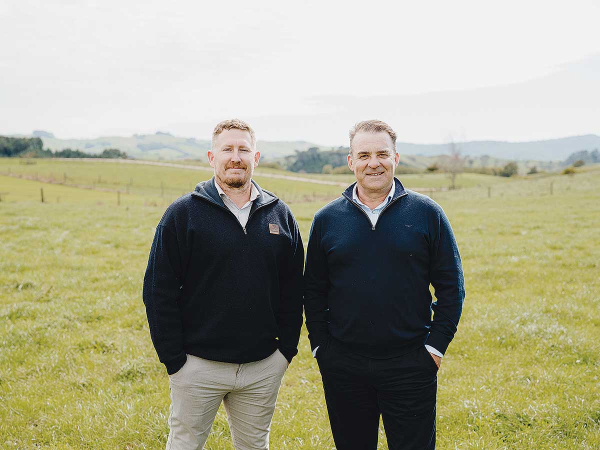 Terravest chief executive Kip Bodle (right) and chief operating officer Luke Walker.
After a winter of frozen pipework and refrigeration call-outs, Terravest chief executive Kip Bodle and chief operating officer Luke Walker explain why this El Niño summer calls for a different kind of preparation, before the first heatwave finds the weak points for you.
This winter, Terravest’s call-out list told its own story: frozen pipes, seized valves and frozen milk in the vat. Now, with forecasters pointing to a swing toward El Niño conditions this summer, that workload is about to flip.
“The gear that just survived a hard winter is exactly the gear you want to get in front of before it has to survive a hard summer too,” says Luke Walker, who also leads Cryvex, Terravest’s refrigeration division.
What El Niño actually means for New Zealand this summer comes down to a handful of specific risks flagged in current reporting on the outlook: stronger and more frequent west-to-southwest winds across the country; an increased risk of dryness and drought in northern and eastern regions; wetter-than-usual conditions in western and southern areas such as Southland and Fiordland; and an elevated fire weather risk in exposed regions as vegetation dries out under hot, windy spells.
“It’s not just ‘hot and dry everywhere’ - it’s hot and dry in some places, wet in others, and windy pretty much everywhere,” says Kip Bodle.
“Farmers need to think about what that actually means for their own patch, not just the national headline.”
Going from frozen gear to overheated gear is a predictable swing, says Walker, but it still catches people out every year.
“In winter, we’re pulling frozen valves and cracked pipework. In a hot, dry summer, it’s the opposite problem, compressors working harder for longer, condensers struggling to shed heat as the ambient temperature climbs, and milk cooling systems, that are already running close to their limit on a normal day, getting pushed past it.
“A system that’s a bit tired going into a 30-degree week is where you get your milk quality problems and your unplanned downtime,” says Walker.
“With El Niño bringing more of those hot, windy spells, there’s less margin for error than usual.”
His advice is straightforward: get compressors and condensers serviced now, check refrigerant, clean condenser coils, and make sure you do a seasonal swap of rubber wear.
“Don’t wait for the hottest day of the season to get a service,” he says, “because there will most likely be a queue of breakdowns in front of you.”
Plant hygiene in the heat is its own challenge, Bodle points out. Heat doesn’t just stress machinery, it stresses the hygiene side of the operation too.
“Bacteria don’t take a break in warm weather, they multiply faster,” he says.
“Wash routines, chemical concentrations and contact times that are dialled in for a cool, damp winter aren’t automatically right for a hot, dry one.”
He says it’s worth actively revisiting plant hygiene protocols going into summer, rather than assuming they still hold: wash water temperatures, detergent and sanitiser dosing, and how standing water or residue behaves differently once the shed itself is running hotter for longer each day.
On the animal side, teat condition swings the other way entirely, Bodle says.
“In winter, everything’s about mud, moisture and organic matter breaking disinfectant down before it can do its job. In a dry, windy, dusty summer, the challenge flips, teat skin can crack from dust and wind exposure rather than mud, and a spray that’s too harsh or too drying just adds to that.
“It’s the same lesson as always. Match the product and the routine to the conditions you’re actually in, not the conditions you were in six months ago.”
The bottom line, both Bodle and Walker agree, is that an El Niño summer like the one being forecast isn’t a reason to panic, but it is a reason to check things now rather than in January.
“Every year, the businesses that get ahead of the seasonal swing spend a lot less time on emergency call-outs than the ones who wait for it to become a problem,” Walker says.
Bodle agrees: “Winter told us where the cold-weather weak points were. Summer’s going to tell us where the hot-weather ones are, the only question is whether you find out now, or find out on the same week as everyone else.”
El Niño has officially been with us for several weeks now, and late winter and early September have given us a taste of what is to come.

Massey University is best placed to solve the “problems” facing the dairy industry, says vice chancellor, Pierre Venter.
With a very strong El Niño increasing the odds of a dry and windy winegrowing season in New Zealand’s eastern regions, the industry should take measures to prepare.
Hawke's Bay fruit growers are being reminded of the need to prepare for whatever the El Niño weather system may bring in the coming months.
Westpac NZ is calling on farmers and growers to start preparing now for the possibility of a dry summer, as likely El Niño conditions raise the risk of drought across parts of the country.


Massey University is best placed to solve the “problems” facing the dairy industry, says vice chancellor, Pierre Venter.
Synlait's longest serving employee – a man who joined the Canterbury-based milk processor even before it began processing milk – is now its newest executive.
A dairy industry leader believes eradicating the common and costly disease, Bovine Viral Diarrhoea (BVD) is within reach.
A farmgate milk price of $10/kgMS this season is firming up as milk powder prices soar and the New Zealand dollar weakens.
Federated Farmers has welcomed new rural policies released by ACT, saying they align closely with its own election priorities.
Rural Contractors NZ says proposed changes to land transport rules for agricultural vehicles are a welcome response by the Government to out of date regulations which have seen members hit with huge fines.




OPINION: It seems Canterbury processor Synlait is still in the doldrums.
OPINION: Get offside with New Zealand First leader Winston Peters at your own peril.




