Dry Period Sets The Platform For New Season
As spring calving cows head into dry-off, the priority shifts to one thing: setting cows up to calve at the target body condition score (BCS).




 increase font size
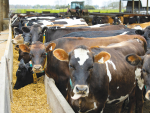
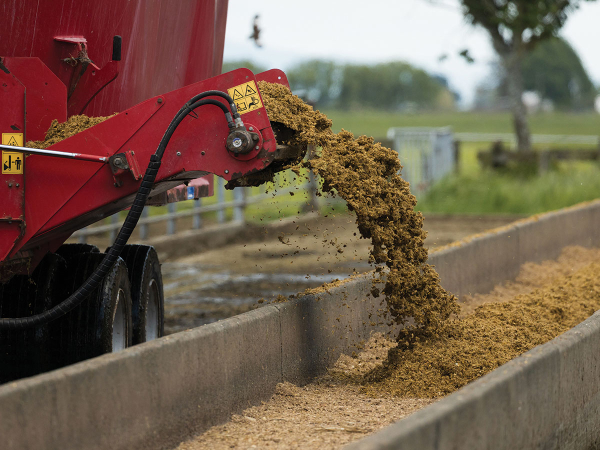 Maize silage being fed out into a feedpad.
The transition period (typically defined as the three weeks prior to and the three weeks immediately after calving) sets the biological and productive trajectory for the entire lactation by determining how well the cow adapts from pregnancy to peak milk production.
Get this period right and cows will milk better, get back in calf easier, and have fewer health issues. Get it wrong and you can be chasing problems all year.
Good transition feeding is all about keeping cows eating well, keeping the rumen working, and getting them ready for the sudden energy demand associated with calving and colostrum production. That’s where maize silage fits in really well, especially through winter.
One of the big advantages of maize silage is its mineral profile. Compared to pasture, it’s low in potassium and sodium. That’s important because it helps lower the dietary cation-anion-difference of the diet.
DCAD might sound technical, but the idea is simple. It’s just the balance between positively and negatively charged minerals in the feed. High potassium pasture (which is common in winter, especially where effluent has been applied) pushes DCAD up. That increases the risk of milk fever at calving.
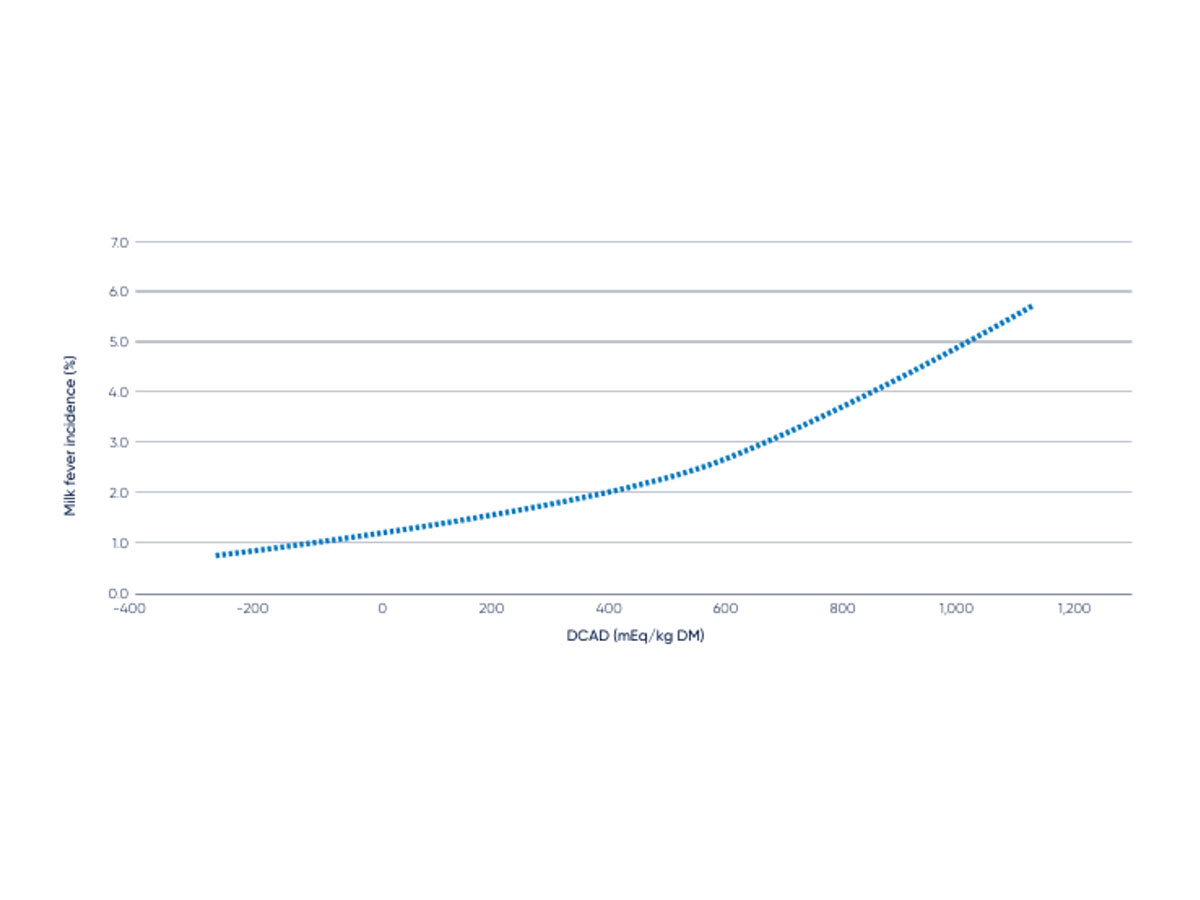
Feeding a lower DCAD diet before calving helps the cow switch on her calcium system. It basically gets her body ready to pull calcium out of her bones and absorb more from the gut when she starts milking. That reduces the chance of milk fever (Figure 1) and helps cows get through calving in better shape. Maize silage helps because it gives you a low-DCAD base to build the diet on.
Maize silage also helps keep calcium levels in the pre-calving diet under control. You actually don’t want too much calcium before calving. Keeping it moderate to low helps “train” the cow to mobilise calcium properly once lactation starts.
 |
|---|
|
Figure 1: Relationship between DCAD and milk fever risk. |
To fully unlock these benefits, it’s important to test feed components and complement the diet with appropriate anionic mineral supplements. Your vet or nutritionist can help set appropriate DCAD targets and ensure overall diet balance during this crucial phase.
The other big win with maize silage in winter is intake.
Getting enough dry matter into cows is one of the biggest challenges, especially when pastures are wet and low in dry matter. Maize silage typically sits at around 30–35% dry matter, so cows don’t have to eat as much bulk to get what they need.
For example, to get 5kg of dry matter, a cow only needs to eat about 15kg of maize silage. To get the same dry matter intake from wet winter pasture (10–12% dry matter) she would need to eat over 40kg fresh weight. That’s a big ask.
Grazing wet pasture takes time and energy. Cows walk more, graze longer, and burn energy just trying to fill up. When you put maize silage in front of them on a feedpad, they can eat more in less time, and they use less energy doing it.
While pasture quality can vary between paddocks and from day to day, maize silage quality remains stable provided feed-out management is good. That consistency helps keep the rumen stable, which is also important especially in the lead-up to and immediately post calving.
There are also some practical farm system benefits. Feeding maize silage takes pressure off paddocks when it’s wet, which helps protect soil structure and reduces pasture pugging and the associated loss in drymatter production. It also gives you more flexibility with feed budgeting. You’re not completely at the mercy of pasture growth, and you can hold covers where you need them.
In my view, the farmers who get the best return from their maize silage are the ones that have developed a feed budget which shows when they will feed it. At the end of the day, maize silage isn’t just there to fill a gap, it’s a useful tool and when used properly it can help:
If you need a hand with feed planning or getting your transition diet right, it's worth sitting down with your vet, nutritionist, or Pioneer Farm Systems Specialist.
Wade Bell is Genetic Technologies farm systems manager. Contact him at This email address is being protected from spambots. You need JavaScript enabled to view it.
As spring calving cows head into dry-off, the priority shifts to one thing: setting cows up to calve at the target body condition score (BCS).
Early December marks a key transition for many dairy farmers, as weaned replacement heifers head off-farm to grazing.
With spring underway, maize growers across New Zealand are preparing for planting.
I recently had the pleasure of attending an AgFirst event in Hamilton where the results of the 2024-25 Waikato-Bay of Plenty Dairy Financial Survey were shared. Based on a 136ha farm milking 379 cows, average farm profit before tax was $405,892, an incredible 286% increase on the 23-24 season.
Over the past few months, I’ve had the privilege of speaking with many farmers at events and one-on-one.


Farmer-owned fertiliser company, Ballance Agri Nutrients is welcoming National’s plan to negotiate security agreements with key supplier countries to protect New Zealand-bound products from export restrictions and greater supply chain certainty.

Carrfields has announced the appointment of Stu Hall to the newly created role of chief operating officer, Carrfields Ltd, reflecting the continued growth of their agribusinesses and the need to ensure the company has the leadership capacity and support in place as it pursues the emerging opportunities ahead.
New Zealand's role is not to compete with Indian growers, according to NZ Apples and Pears.
The potato industry is celebrating the success of two rising stars - James Blair, the 2026 Young Grower of the Year and runner-up and innovation award winner, Amber Davy.
Twenty-eight emerging leaders from across the horticulture sector spent two days last month learning valuable skills and connecting with industry experts.
There are five entrants in this year’s Young Horticulturist of the Year, competing in a series of technical, practical, business and leadership challenges.
OPINION: It seems Canterbury processor Synlait is still in the doldrums.
OPINION: Get offside with New Zealand First leader Winston Peters at your own peril.