Fonterra's New Roadmap Targets Climate, Nature, Animals
Climate, nature and animal wellbeing make up Fonterra's refreshed sustainability roadmap released last week.
 increase font size
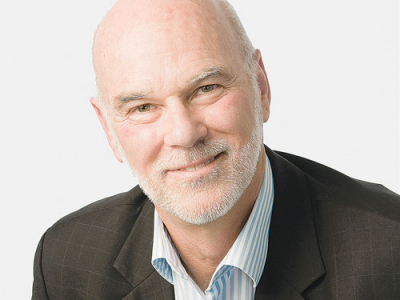 Murray Sherwin.
The chairman of the Productivity Commission, Murray Sherwin, says farmers should not be scared by his organisation’s latest report on how New Zealand can achieve net zero carbon emissions by 2050.
The commission last week released a 624-page report on the subject, drawing a mixed reaction from the agriculture sector, including dairy. It’s hardly bedtime reading and while it’s rich in data and well laid-out, it is complex and challenging for laypeople to digest so much information and form an opinion.
The key message is that land use will have to change substantially if NZ is to transition to a low emissions economy by 2050. It notes that between 1990 and 2015 agricultural emissions rose by 16%, largely due to dairying, intensification of farming and the use of synthetic fertilisers. Emissions from dairying specifically rose by 130% and dairy’s share of total agricultural emissions in this period rose from 23% to 50%, to some degree reflecting the rise in cow numbers.
The report suggests that farmers’ ability to reduce emissions behind the farmgate is limited and it underlines reduced stocking rates, which effectively means reducing cows numbers. But this shouldn’t reduce production or profitability, the report says.
It also says that switching from twice-a-day to once-a-day milking is a mitigation option.
The report notes that under the current science funding model, spending on agricultural emissions mitigation is uncertain and small at about $16 million annually.
Land-use change high on agenda – Sherwin
Productivity Commission chairman Murray Sherwin says the report was commissioned by the Government to find efficient ways to reduce emissions and so meet its goal and commitment to climate change in the Paris Agreement.
Clearly land-use change is high on the agenda, as is examining the relative profitabilities of different land classes. Forestry is a key option, says Sherwin.
“You would expect most of that shift in afforestation to come at the expense of [some] but not all of the marginal sheep and beef country; that’s the [land] that is more remote, lower in productivity therefore more likely to move under higher carbon prices.
“Not all of it will be plantation forestry and not all will be intended for production; some of it will be indigenous reforestation -- land that is too remote and not suitable for harvesting.”
Sherwin says the commission is not advocating a straight-out reduction in dairy cow numbers.
“That doesn’t come out in the report; in fact we say explicitly that dairying is relatively highly productive and profitable relative to sheep and beef. So you wouldn’t expect much land to go out of dairying into anything else, so there is no great impact there.
“However dairying and all agriculture under our recommendations would come into an emissions pricing regime and we have discussed a couple of options there.
“The number Federated Farmers gave the other day -- that this will cost the average dairy farmer $230,000 a year -- is nonsense. In fact if it’s $2300 a year at this stage I would be surprised.”
Sherwin says the eventual outcome will largely depend on how farmers choose to react in an emissions pricing regime. Dairying has been reducing its emissions intensity over time anyway, he says.
“That’s partly genetics, different feed and management regimes and that will continue.”
Sherwin says splitting out methane from nitrous oxides will benefit farmers. Putting a price on that will mean nitrogen based fertilisers will rise in cost and farmers will find themselves incentivised strongly to think carefully about how they use nitrogen fertilisers and manage effluent.
Other options being talked about are a vaccine for methane and plant species such as plantain.
“The message we’re getting from the scientists is ‘don’t expect a methane vaccine anytime soon’. Plantain for sure, in that it enables farmers to use less nitrogen fertiliser and get a better pick-up of nitrogen.”
Sherwin says the road to lower emissions will not require a handbrake on farming, but that road will encourage and incentivise farmers to go in a different directions and people will be there to help them.
Climate, nature and animal wellbeing make up Fonterra's refreshed sustainability roadmap released last week.
A five-year study has found that the cost of reducing emissions without technology may be significant and unsustainable for Northland dairy farmers.
OPINION: With the winter months officially here, I trust all is well at your place.
OPINION: The global crusade against fossil fuel is gaining momentum in some regions.
Specialist horticulture and viticulture weather forecasters Metris says the incoming Cyclone Vaianu is likely to impact growers across the country.
DairyNZ deputy chair Cameron Henderson has been re-appointed unopposed for another term.
Farms across the upper North Island are trialling different pasture mixes as part of a research programme that aims to build greater resilience into farming systems.
Election years are always a concerning time for farmers, according to DairyNZ chair Tracy Brown.
The Ballance Farm Environment Awards are coming to the West Coast of the South Island.
Most dairy regions around the country have had a pretty good season so far says Tracy Brown.