Generative artificial intelligence is helping New Zealand dairy farmers make better decisions, cut repetitive tasks, and improve communication, according to a new report.
And while some farmers have yet to dip their toes into the technology, which includes ChatGPT, Claude, CoPilot and Gemini, others are in boots and all, with cases of bespoke chatbots and a dairy farm digital twin powered by a large language model.
Industry Insights from Dairy and Viticulture Sectors
Attendees at this month's Grape Days events around the country will hear from DairyNZ about its work to better understand GenAi use among its farmers, including recent co-design workshops and plans to form an industry group to build capability.
Braden Crosby, Bragato Research Institute Knowledge Transfer and Engagement Lead, says the Grape Days sessionm which includes a wine industry panel, will explore current practices and use cases for GenAI in vineyards.
"We are looking to learn from other primary industries to understand the opportunities that may be created by implementing differing practices into your business model."
Report Highlights Rapid but Uneven Adoption
DairyNZ has been delving into on-farm GenAi utilisation for the past year, starting with the report from Rachel Durie at Perrin Ag Consultants - The Opportunities of Artificial Intelligence for New Zealand Dairy Farmers - published in December 2025.
That shows that many farmers are unaware of how GenAI can be used "or the benefits it can provide", but that others are using the technology "to make better, more informed and faster decisions, reduce time spent on repetitive tasks, empower team knowledge and improve communication".
The report says that decision support, such as access to knowledge or contextual analysis, is "by far" the most common application.
"While most farmers acknowledged that GenAI responses are not always fully accurate, they valued the speed at which GenAI can provide information which in turn accelerates their decision-making efficiency."
Meanwhile some farmers are delving deeper, with farm-tailored chatbots, farm digital twins, and customised GenAI-driven breeding tools.
Capability Building Across the Sector
DairyNZ Senior Scientist Dr Callum Eastwood says the industry body has also run co-design workshops with farmers and other stakeholders, and will soon embark on a two-year capability building project working with a core group of farmers to better understand the use of GenAI on farms, the benefits they see, and the issues they come across, "and then using that to raise the profile of effective and safe use for all farmers".
 |
|---|
|
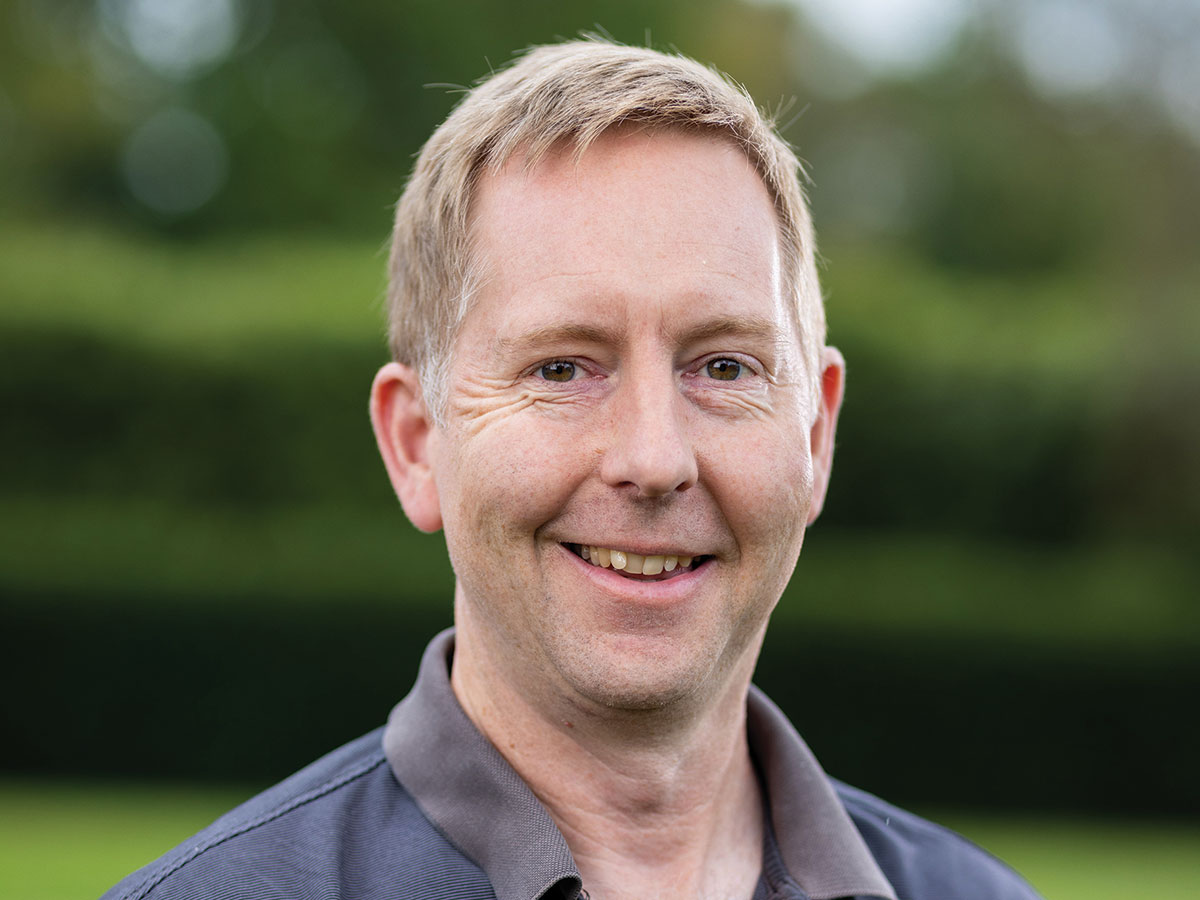
Dr Callum Eastwood
|
The group will work peer to peer, then stay connected through the season, while DairyNZ will also bring in external experts to help them develop skills "effectively and safely".
The organisation may also prototype ideas developed within the group, he says.
"So if they say 'oh, wouldn't it be great to be able to do this?'... we'll go away, we'll try it, and then we'll come back and show them what is possible."
Opportunities and Risks for Farmers
GenAI is free or low cost, and easy to access, so there's no financial barrier for farmers, Callum says. And anyone on-farm can use it, from a farm assistant working out how to do a job, to a share milker seeking insights into running their business, to a multi-farm business navigating data from multiple sites, he says.
Those opportunities come with some red flags, with potential for out of context responses, misleading information and AI 'hallucination's.
"Don't take what it says to do at face value, especially if it's quite a critical decision," Callum says. "Be very careful that you double check."
DAiSY: An AI Assistant for Farmers
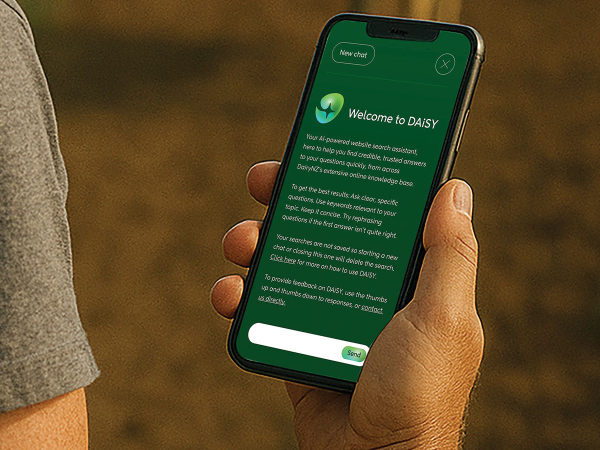
DairyNZ also has an AI-enabled assistant, DAiSY, which uses the wealth of trusted research and resources on the site.
"The benefit for farmers is that you can go in and ask questions, just like you would to another farmer or to an advisor," Callum says.
They also supply guidance around using AI, including "prompt engineering" to help ensure farmers get accurate and relevant responses.
"The more specific you are, the better results you will get."
A Transforming Agricultural Landscape
Callum says one key crossover from dairy to other primary sectors is using AI tools to agregate data, feeding it the likes of production data and invoices, then asking questions about your business.
There's work to be done to make that process "really robust" but they've seen enough to know it's a "great opportunity".
nzwine.com/en/initiativesevents/research/grape-days-2026