Bragato Scholar: Michelle Barry
A bit of visa wrangling from an Irish soil expert proved fortuitous for New Zealand’s wine industry.




 increase font size
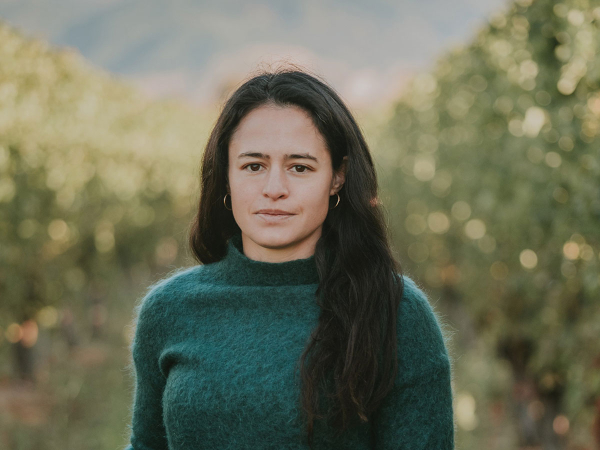 Michelle Barry. Photo Credit: Aimee Preston
A New Zealand startup is using satellite data to measure and map soil organic carbon in vineyards and farms over time. Nature Point has been working with global technology provider Downforce Technologies, which combines soil and environmental data with up to date satellite imagery to measure soil organic carbon (SOC) to a depth of 30cms.
A pilot project started in winter 2025 has seen carbon assessments on eight properties across the North and South Islands, including three vineyards. “We were fortunate to work with a bunch of innovative and environmentally focused farmers and growers across the country,” says Nature Point co-founder Michelle Barry. “A number of the farms are involved in research and extension projects aiming to improve farm environmental performance and increase resilience to extreme weather events.”
Michelle says SOC is a reliable indicator of soil function and long term land performance, and the ability to measure it can help farmers target and adjust their management practices to help build resilience during drought, heavy rainfall, and other climate-related pressures.
One of the most effective tools for growing soil carbon is reducing soil disturbance and maintaining groundcover, says Michelle. “By tracking SOC over time, farmers can see the effects of their management practices, pinpoint areas for improvement, and invest strategically where the return is greatest.”
Marlborough winegrower Ben McLauchlan, who was part of the pilot project, says the two most important things for a farmer are people and soil. “Without great people you can’t have a great business and without great soil you can’t grow great products that consumers want. Gaining a better understanding of our soil organic carbon levels, by block, by soil type, and how our farming practices can influence change, is a critical tool for us to farm to a higher standard”.
Across the pilot project properties, soil stored an average of +127 tonnes CO₂e per year, demonstrating improvements in soil health and carbon stocks compared to historical data, Michelle says, noting that the data could help wine companies strengthen provenance claims, meet emerging supply chain requirements, and unlock new opportunities in premium and low-emissions markets.
Ben Wark, head of Asia Pacific at Downforce Technologies, says supporting New Zealand farmers with reliable data is critical to building lasting resilience. “The response to this pilot shows that robust soil carbon measurement is more than just a compliance tool – it’s a foundation for smarter, future-focused land management.”
Nature Force plans to make commercial SOC assessments available to farmers and growers from the first quarter of 2026, along with measuring carbon sequestration in native or exotic plantations. “SOC assessments are only one part of the picture for us as a business,” Michelle says. “We are very interested in connecting with both landowners and investors.”
A bit of visa wrangling from an Irish soil expert proved fortuitous for New Zealand’s wine industry.


One of Australia's most decorated winemakers will speak at the Aotearoa New Zealand Chardonnay Symposium in Hawke's Bay this September.
The third Aotearoa New Zealand Chardonnay Symposium will be underway in Hastings, Hawke's Bay, on 17-18 September.
In early May, New Zealand Winegrowers delivered a webinar for members, providing a commercial view of New Zealand wine in…