Claas Balers Turn 30
Claas built its first variable chamber round baler - the Variant 100 - in 1996, so 2026 marks 30 years and the fifth generation of the Variant name, recently complemented by the new Cerex Series introduced in 2025.




 increase font size
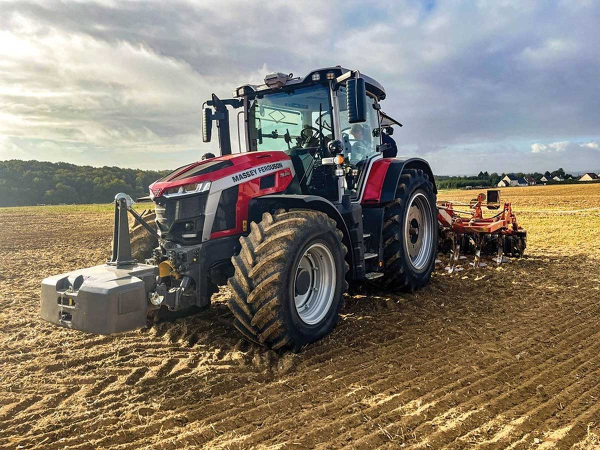 The new Mark 2 range is said to deliver significant changes from the current models.
Building on the success of the existing Massey Ferguson 7S series, ahead of the upcoming EIMA Show, the manufacturer has announced the arrival of its new MF 7S MARK 2 range, offering six choices from 170 to 245hp, positioned between the current MF 7S and the MF 8S Xtra series.
All six models feature the ‘MARK’ nomenclature, which first appeared on historical MF models, like the MF 65 MARK I / II and the MF 165 MARK III – a system that will now be used for indicating series updates across the full product line-up.
The new MARK 2 range, available in Efficient or Exclusive specs, is said to deliver significant changes from the current, longstanding MF 7S.155 to 7S.210 models, which at this point will continue to be offered for at least the next three years. The doubling up is said to give customers a choice of two different price points, alongside the newcomer only initially being offered with the Dyna-VT box, with a semi-powershift version still under development.
The new tractors feature the AGCO Power CORE 75 six-cylinder, 7.5-litre engine, mated with the well-respected, two-range, ML180 Dyna-VT transmission as standard on all models. The new engine uses a single turbo layout and 25% fewer parts than its predecessors for improved long-term reliability, with Stage V emissions met without the need for exhaust gas recirculation.
Maximum power is available across a wide engine speed band, with a flat torque curve from 800 to 1500rpm for all models. Interestingly, the efficient power and torque characteristics mean EPM (power boost) is not required, relying on SCR and DOC to meet Stage V requirements.
The torque curve remains relatively flat between 800 to 1500rpm where it reaches max torque, ranging from 815Nm on the 7S.170 up to 1184Nm on the flagship model, the 7S.245.
A larger 410-litre fuel tank (25% larger than the MF 7S) and a 56.5-litre AdBlue tank (88% larger) are standard on the new models.
While the Mark 2 shares the same 3.40 cubic metre Protect U2 cab with the 8S and 9S models, updates include the 12-inch Datatronic 6 screen, and more PTX integration including the Farm Engage package. Each tractor is supplied with a five-year licence to the software platform, enabling remote connection for sharing job sheets, way lines and documentation.
Other differences include the option of an ISRI TI Deluxe seat in place of the standard Grammer fitments, alongside a keyless start/stop button with remote door locking from the fob as well as an RFID immobiliser and a heated/coolbox option. For anyone using their 7S for spraying, the cab now benefits from Category 4 filtration.
Two brand-new 2m diameter rear tyre sizes - VF 650/70 R42 and VF 710/60 R44 - are matched with VF 600/65 R30 front tyres, all supplied by BKT from its AGRMAX V-FLECTON range.
At the business end of the tractor, four-speed PTO is standard, alongside high-capacity hydraulics, including multiple closed-centre, load-sensing pump options delivering 110, 150 or up to 190 litres/min maximum hydraulic oil flow. Rear lift capacity remains unchanged at 9600daN, with service intervals for the transmission set at 2400 hours and 1200 hours for the hydraulic system.
LED lighting is standard, with four upgrade packages, up to a maximum of 27 LED lights, positioning eight units on the hood and 19 on the cab. Four digital cameras can be displayed at the same time, including front and rear units, along with two additional cameras for positioning on the tractor or in trailers or implements.
Production commences during Q1 2027, with expected deliveries to the NZ market yet to be confirmed.
www.masseyferguson.com
Claas built its first variable chamber round baler - the Variant 100 - in 1996, so 2026 marks 30 years and the fifth generation of the Variant name, recently complemented by the new Cerex Series introduced in 2025.
Distributed in New Zealand by OriginAg and supported by its nationwide dealer network, the Italian-built Alpego brand offers an extensive range of solutions including power harrows, rotary hoes, mulchers and subsoilers.
John Deere is introducing its 500R self-propelled sprayer to the NZ market, offering small-grain growers a new option designed for precise application, operator comfort and efficient field performance.
Global tyre manufacturer Michelin has extended its agricultural trailer tyre range, with the introduction of its new WorkxBib series, designed for tipping trailers, slurry tankers and manure spreaders.
Following the record-breaking success of its hydrogen-powered Hydromax, JCB is ramping up its investment in the business, key to the first major change at the executive level of the business, with George Bamford stepping up to the post of joint chairman, alongside his father Lord Bamford.


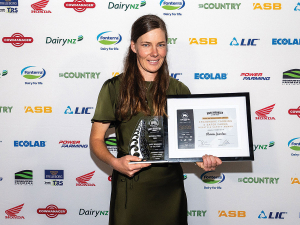
When dairy manager Miriam Lauridsen learned the farm, she was joining held weekly health and safety meetings, she initially thought that was “a bit over the top”. Experiencing that culture changed her mind.
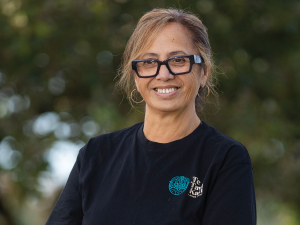
Nominations are open for the 2027 Fonterra Dairy Woman of the Year Award.
Keeping up with pasture moisture demands is likely to be the key challenge for dairy farmers during this season’s El Niño weather pattern, says Blue Skies Weather & Climate Services meteorologist Tony Trewinnard.
Farmers have until the end of this week to help shape DairyNZ’s future focus.
Wayne McNee, chief executive of AgriZeroNZ, has resigned and will leave the organisation on 15 January 2027.
The New Zealand dairy sector set a record in the 2025/26 season, producing more than two billion kilograms of milksolids for the first time.



OPINION: The same mainstream media muppets that brought you Jacindamania in 2017 have been flat out pimping for the Opportunities…
OPINION: Your old mate reckons the atrocious way farmers in the UK are treated by their lords and masters in…