El Niño Spring Outlook: What to Expect in Five NZ Regions
El Niño has officially been with us for several weeks now, and late winter and early September have given us a taste of what is to come.




 increase font size
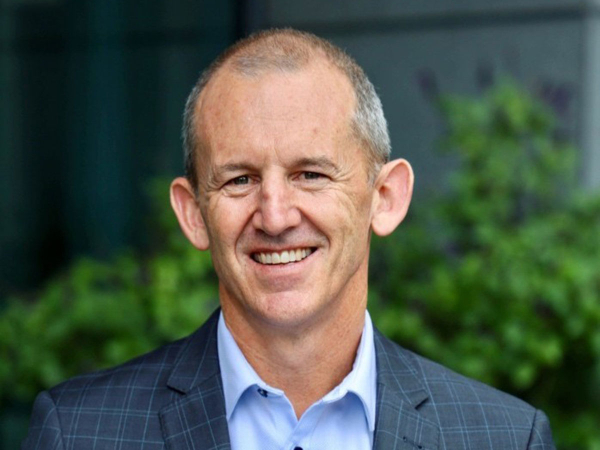 Westpac NZ Head of Agribusiness Richard Anderson.
Westpac NZ is calling on farmers and growers to start preparing now for the possibility of a dry summer, as likely El Niño conditions raise the risk of drought across parts of the country.
Earlier this month, Westpac's Economics team published detailed research into the likely impacts of El Niño across northern and eastern parts of New Zealand.
Based on past severe drought events, the research points to a potential 1% hit to GDP if conditions play out similarly this time.
Westpac NZ Head of Agribusiness Richard Anderson says farmers and growers shouldn't assume the worst outcome is guaranteed, but should use the time now to build flexibility into their operations.
"Every farming and growing operation is different, so now is the time to think about what El Niño could mean for your business and what steps you can take to manage the risks," Anderson says.
Anderson stresses that good financial planning deserves the same attention as operational planning. That means updating budgets, monitoring forecasts regularly, and being ready to adjust as conditions change.
He notes that while some farms may face higher costs from additional feed purchases or irrigation expenses, others could choose to sell stock earlier than planned to bring forward revenue and ease financial pressure.
Anderson recommends farmers use their own history with the land as a guide.
Long-term property owners should reflect on what worked and what didn't during previous El Niño events, while newer owners are encouraged to talk to previous owners where possible.
"That local knowledge can be invaluable when preparing for dry conditions," he says.
Westpac has outlined a set of practical considerations for the season ahead:
Despite the drought risk, Anderson says most farmers and growers are well placed financially to cope with a dry summer.
"Arguably the industry is in the best position it's ever been to face into El Niño, thanks to generally low debt levels and high commodity prices," he says. However, he flags rising on-farm inflation — driven by higher fuel and fertiliser costs — as a concern for many customers Westpac has spoken with.
"This is where keeping a close eye on your budget and cash forecasts is key. Make sure you have enough cash on hand, keep an eye on markets for demand and price trends, and be prepared to change your approach as weather forecasts change."
Anderson's closing advice is straightforward: farmers concerned about how El Niño could affect their business should talk to their bank early.
"The sooner we understand your plans and challenges, the better positioned we are to support you," he says, adding that Westpac's agri bankers are embedded in rural communities and ready to work alongside farmers as they prepare.
El Niño has officially been with us for several weeks now, and late winter and early September have given us a taste of what is to come.

With a very strong El Niño increasing the odds of a dry and windy winegrowing season in New Zealand’s eastern regions, the industry should take measures to prepare.
Hawke's Bay fruit growers are being reminded of the need to prepare for whatever the El Niño weather system may bring in the coming months.
OPINION: Have a plan in place now!
A spate of southerly winds bringing cold temperatures has presented challenges for Taranaki dairy farmers.


Farmlands has reported higher operating earnings and a profit before income tax of $4.5 million, up 118.9%, for the year ended 30 June 2026.
AgriZeroNZ has invested a further NZ$17.7 million in methane vaccine developer ArkeaBio and NZ$5.1 million in BioLumic, a New Zealand-founded company that uses ultraviolet light to develop low-emissions pasture..
Good news for Fonterra farmers. The co-op has raised this season’s farmgate milk price mid-point by 25c to $9.75/kgMS.
OPINION: Political parties are getting plenty of advice and recommendations from sector groups as the election approaches.
In farming there are external factors that can influence behaviour of a whole herd, such as a bad weather event, triggering false positive heat detections or health attentions.
For Canterbury dairy farmer Cameron Henderson, supporting Meet the Need comes down to a simple question: how can the success of New Zealand farming benefit more than just those within the industry?

OPINION: The same mainstream media muppets that brought you Jacindamania in 2017 have been flat out pimping for the Opportunities…
OPINION: Your old mate reckons the atrocious way farmers in the UK are treated by their lords and masters in…