Rural NZ Welcomes $8.5m Government Health Package
Rural New Zealand is welcoming the Government’s recent package of rural healthcare initiatives.
 increase font size
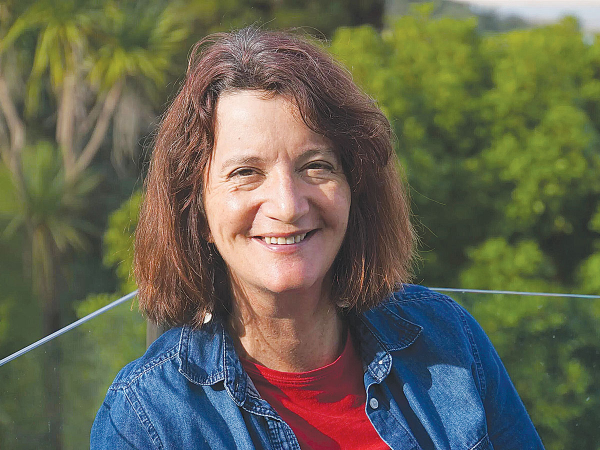 Dr Fiona Bolden, chair of Hauora Taiwhenua.
According to Hauora Taiwhenua Rural Health Network’s Rural Health New Zealand Snapshot 2024, those in rural areas have poorer health outcomes than those in urban areas.
The findings reveal that rural people are falling behind in almost every metric, and the more rurally they live, the worse their comparable health.
Key data shows:
Dr Fiona Bolden, chair of Hauora Taiwhenua, describes the research findings as an “indictment on the low priority that has been given to the health and wellbeing of rural people by this and previous Governments”.
She says Hauora Taiwhenua presented the findings to Minister for Mental Health Matt Doocey and Minister for Rural Communities Mark Patterson earlier this month in an effort to seek Government support for the prioritisation of rural Kiwis in future budgets and planning.
“It is long past the time for rhetoric,” Bolden says. “We need to see action and priority given to funding the higher cost of health delivery in rural and remote parts of New Zealand which is further complicated by social deprivation and the larger percentage of 65-year-olds who live rurally.”
“We made it very clear to them that the provision of a telehealth service to underserved whanau with limited access to technology and data, while needing wrap-around primary health care, was not the answer,” she says.
Dr Grant Davidson, chief executive of Hauora Taiwhenua, says the organisation has offered to work with the Government to implement appropriate solutions that will make a difference to rural communities.
“We will look to hold this and future Governments to account for clear strategies and targeted funding so that the health of our rural people is not continued to be neglected,” Davidson says.
Rural New Zealand is welcoming the Government’s recent package of rural healthcare initiatives.

Doctors and rural women are welcoming the recent pre-budget announcement from the Government that it would be boosting funding to urgent and afterhours care facilities.
While healthcare itself got a $5.5 billion investment in Budget 2025, rural doctors are sounding the alarm about growing health inequities in rural New Zealand.
OPINION: This year's National Rural Health Conference, being held in Wellington, has attracted a record number of interested rural health experts passionate about improving equity for rural communities in all ares of health and wellbeing.
With the beginning of the new year and the end of the government recess, Rural Health Network is calling on the coalition Government to keep its promises on investment into ailing rural general practices.



Now in its fourth year, the 2026 Fencing Industry Awards, formed part of the proceedings of the FCANZ Conference, held in Nelson during August.
DairyNZ deputy chair Cameron Henderson has been re-appointed unopposed for another term.
OPINION: The stats speak for themselves.
Farms across the upper North Island are trialling different pasture mixes as part of a research programme that aims to build greater resilience into farming systems.
Election years are always a concerning time for farmers, according to DairyNZ chair Tracy Brown.
The Ballance Farm Environment Awards are coming to the West Coast of the South Island.