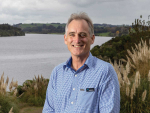
Ballance Agri-Nutrients chief executive Mark Wynne says the agri-business sector needs to make sure decisions are based around science and not just emotion.
Speaking at the Ballance Farm Environment Award's sustainability showcase on Wednesday night, Wynne said communities were demanding change faster than farming, on average, was changing as an industry.
"We can embrace it or fight it, but it is coming. Science needs to be at the heart of the discussion, and we in the agri-business sector need to make sure decisions are based around science and not just emotion. It's in all of our best interests."
Wynne says navigating the path to a sustainable profitable future was more challenging than ever, with agri-business' licence to operate changing in response to community pressure.
He commended the entrants, finalists and national winners of the Ballance Farm Environment Awards, Auckland sheep, beef and forestry farmers Richard and Dianne Kidd, as leaders in demonstrating that sustainable farming and profitability were not mutually opposed goals.
"We need to amplify the awareness of excellence in sustainable farming and accelerate the acceptance of the best practice across all farmers. It's not an easy task, and leading farmers in particular hate blowing their own trumpet, but the promotion of best practice is a role that we must all take very seriously."
He highlighted that in addition to water quality, water use would be at the heart of many future issues facing farming, especially given the rise of tourism as a significant earner for New Zealand.
"Tourism doesn't want to see nitrified lakes, dry river beds and irrigators everywhere. The first in first served water allocation legislation is unlikely to last another decade as weather events force a rethink.
"Water will eventually have a tradable price like all other limited resources, and any nutrients that enter our waterways will be paid for twice, once as an input to the land and again as a pollution tax. Water policy will reshape current land usage.
"Navigating this change will require both knowledge and wisdom and the importance of sound science in the decision making cannot be overstated."