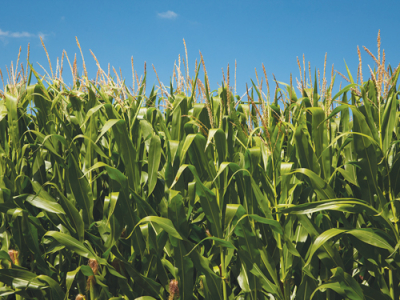
Insufficient contract maize was grown this season, contributing to a feed shortage in drought conditions, says Federated Farmers Northland provincial president John Blackwell.
The low dairy payout stifled that industry for quite a while, he told Rural News.
There was talk of accessing maize silage from the Tauranga area, but that area is short also, although is not in dire straits, he understands.
“Their contractors who have grown it in the past have cut right down because they thought there wouldn’t be the demand for it.”
Maize silage contractors have been doing it tough.
“They will come back a bit, with the payout going up and these dry summers. I think you will see quite a bit more maize grown next year, particularly for dairy farmers.
“It looks like farmers are getting back into it, and it looks like there wasn’t enough grown for the demand.”
Federated Farmers 0800 FARMING (0800 327 646) line is available to connect farmers looking for feed and other support, with farmers who have it to sell.
But Blackwell says the transport costs are high as the bulk of feed on offer is from Nelson. In that region their biggest problem has been harvesting all their crops; “in a sense it might be better to send the cattle down there to be fed than to bring it up here”.
He will ask the government for a subsidy on the cartage but is not hopeful.
“In the Far North feed can only come from one direction and that’s from the south and that is expensive.”
The hard decisions are being made, such as destocking, and the loss of capital stock will hurt the most.
Northland has had two good summers, but “this is a bit of a shocker”. But they are better off than if the whole country was in drought.
“But it is serious and these droughts in Northland can go right through until May and that is where the real issue lies,” he says.
“We are bad now but if we get another month of dry weather it will go from being bad to extremely bad. Then it will get worse from then on.”
All the sectors are in the same boat – feed and water shortages. “The beef farmers have had a pretty good schedule for a number of years now so they are probably quite well heeled… unlike dairy farmers who are probably financially vulnerable.”
Eighty percent of pasture debt is dairy farming and after a low payout for a couple of years this year was looking good in terms of the payout.
“But they have had their production cut which is a bit cruel,” he says.
Sheep farmers had their wool cut in half this year, and the lamb prices have come back.
“Sheep is the worst one, dairy has been poor the last few years and beef has been the highlight.”
Blackwell says chicory, widely grown in Northland, has become a good tool. It can grow year-round in the region and a Beef + Lamb NZ trial has shown it to be quite a cost effective crop and good for finishing lambs.
Farmers are always modifying their systems, he says. They had two really good summers “and we probably got a bit cocky”.
“This has brought us back into line. I think dairy farmers will end up doing a bit more maize and cropping to get through the summers.”
Beef finishers are tending to make sure they have got most of their cattle gone by Christmas.