New Zealand primary exporters urged to stay nimble
Be ready to be nimble. That's the message to New Zealand primary exporters from international trade expert, company director and farmer Mike Petersen.




 increase font size

A disturbing element of Russia’s ban on dairy and other imports is that food trade has been politicised, says Kimberly Crewther, executive director of the Dairy Companies Association of New Zealand.
“This is a concern for all food producers globally,” she told the Agcarm conference in Auckland last week.
“Given the humanitarian importance of food, generally our view is you want to protect it and protect the flow of food globally even in tense geopolitical situations.”
The last year has seen significant disruption and dairy price volatility because of the geopolitical situation, she says. Russia has blacklisted a number of countries, preventing them from exporting their dairy products, some fresh fruit and vegetables, meat products and seafood.
“What that meant for dairy is the second-largest import market globally was closed to some major suppliers, in particular the EU,” Crewther said.
“Russia is a very large cheese importer, the EU is the world’s largest cheese exporter and suddenly that trade dynamic was turned off overnight.”
If one market opportunity goes down you switch product. The EU has the ability to do that in some of its processing of milk, so they are now looking actively at where they might place some of those milk solids globally.
“The markets they’re looking at are some of the places we send our products to, so there would be a significant loading of product at a time when, globally, production levels are good.
“That will take some time to work through. The ban was due to be in place for a year and came in August so it has some time to go. The geopolitical situation still looks tense in the market.”
Be ready to be nimble. That's the message to New Zealand primary exporters from international trade expert, company director and farmer Mike Petersen.
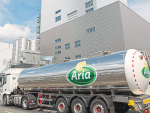
European dairy co-operative Arla Foods is forecasting a total revenue of nearly $25 billion this year.
According to numbers sourced from national authorities, 151,800 tractors were registered across Europe in 2023, of which 26,200 tractors (17%) were 37kW (50 hp) and under and 131,900 (83%) were 38kW and above.
OPINION: European farmers are going to extreme lengths to have their message heard.
OPINION: Farmer protests have swept Europe in recent weeks.


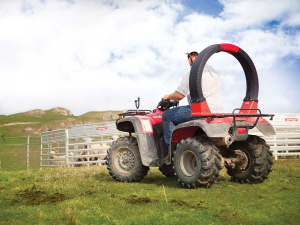
When Northland leather worker Vernon Suckling started making horse saddles 50 years ago, quad bikes and side-by-side vehicles were unheard of.
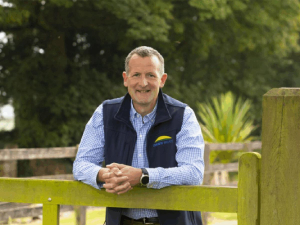
Alliance Group has confirmed that eligible farmer-shareholders who supply and continue to back the business will receive up to $20 million later this year, following the strategic investment partnership with Dawn Meats.
With a general election under five weeks away, Rural News is asking major political parties about their policies and positions on key issues facing the primary sector. We will run their responses to each question over the next four weeks. The ACT Party and the Greens didn't respond in time.
The red meat sector is in great heart.
Dr Scott Champion, Foundation for Arable Research chief executive, says that everyone in the supply chain had a role to play in driving the sector's long-term success.
Entries opened on Monday, 5 October 2026 for the 2027 New Zealand Dairy Industry Awards (NZDIA), which organisers describe as the nation's biggest celebration of excellence in the dairy sector.



OPINION: The same mainstream media muppets that brought you Jacindamania in 2017 have been flat out pimping for the Opportunities…
OPINION: Your old mate reckons the atrocious way farmers in the UK are treated by their lords and masters in…