Federated Farmers has a new board member as a result of elections held during last week’s national conference in Wellington.
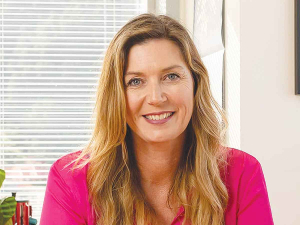
Karen Williams, who was elected arable chairperson at that industry group’s annual meeting in Timaru in June, was elected to the national board by delegates from Federated Farmers’ 24 provinces. She replaces Guy Wigley, who stepped down after three years as arable leader.
Re-elected members are: Katie Milne (president), Andrew Hoggard (vice-president), Chris Lewis (dairy chairperson), Miles Anderson (meat and wool chairperson) and Chris Allen (environment, water and pest management spokesperson).
Karen Williams, who with her husband Mick and three children farms a 224ha mixed cropping and beef and lamb finishing property at Gladstone in the Wairarapa, is the first woman to lead the Federation’s arable sector.
A former planner with Greater Wellington Regional Council, Williams runs her own consultancy business specialising in resource management, facilitation, engagement and speaking on agri-environmental issues. She says her roles are premised by her desire to "help farmers and the agri-sector to better engage with local, regional and central government to ensure they are more environmentally and economically sustainable".
She and Mick are past Wellington Region Supreme Winners in the Ballance Farm Environment Awards. They’ve been Federated Farmers members for many years but Karen says it was her appointment in 2016 as arable representative on the Ministry for Primary Industries (MPI) Governance Group for the response to the Wairarapa pea weevil incursion "that revved up my exposure to Feds and biosecurity issues".
She played a key role in securing government funding to develop a future focused cropping strategy for the Wairarapa, and worked to secure the initial and on-going ex gratia payments for growers impacted by the extended regional growing ban. Her efforts and determination saw her named winner of the inaugural Federated Farmers Arable Industry Group ‘Biosecurity Farmer of the Year’ award in 2017.
Despite an annual contribution of at least $750 million to GDP, New Zealand’s arable sector tends to fly under the radar for many people. Williams wants to see that change.
"I’d like to increase our presence in Wellington, talking to government and reminding them we are an important sector with a lot to offer," she says.