NZ Must Prioritise Food Security, Says HortNZ's Malley
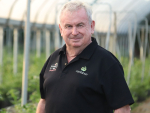
New Zealand needs to make sure that it continues to focus on its own food security, according to HortNZ board member and blueberry grower Dermott Malley.
 increase font size
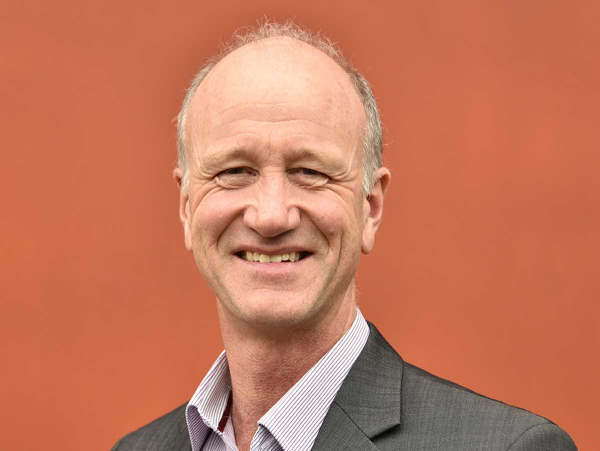 Bruce Wills
Farmers who find the land next to them is about to be converted into forestry, face potential damage and costly consequences.
That's the message from Bruce Wills, former president of Federated Farmers and successful businessman, who says he personally knows what's ahead of theses farmers and they may not know what is coming their way.
He says he lived with the situation for many decades on his farm, Trelinnoe Station, on State Highway 5 just north of Napier. The property was famous for its beautiful garden as well as its farming operation, but the beauty was constantly under threat from the surrounding forestry.
"We were an island of grass surrounded by trees. We had four commercial pine tree neighbours and then DOC," he told Rural News.
"The forest gives our pest animals shade and shelter during the day then at night they come streaming out onto any open pasture and consume the grass that we have carefully grown at a cost for our own stock," he says.
"Farmers live on their place 24/7, unlike the forestry people who generally don't work on the weekend or public holidays, and trying to get them to fix the fences their trees broke down was impossible. Some of the owners were overseas and just not interested in our problems, so in the end we just gave up. The result was it cost us thousands of dollars repairing the fences ourselves, and dealing with the other problems forestry caused," he says.
Wills says having a forestry owner for a neighbour is way different from having another farmer whom you know and who is part of the local community. He says forestry people are seldom part of the local community. He says basically a gang comes in and plants the pine trees and it's often years before there is any contact with the owner of a forestry block.
Wills says the widespread advent of carbon farming next to their pastoral block is a challenge that many farmers would not have given much thought to.
"As forestry conversions continue, the problem is going to get worse and farmers need to be prepared to deal with what will be in store for them," he says.
New Zealand needs to make sure that it continues to focus on its own food security, according to HortNZ board member and blueberry grower Dermott Malley.

Ravensdown has reported a net profit before tax and rebate of $50.1 million for the year ended 31 May 2026.
Nominations are now open for two directorships on the Ravensdown Board and will close at 5pm, Friday 24 July 2026.
Bank of New Zealand (BNZ) and Pāmu (Landcorp Farming Limited) have developed a new way for landowners to earn revenue from existing native forests.
Forestry Minister Todd McClay has today congratulated the winners of the 2026 Growing Native Forests Champions Awards at Fieldays.

Now in its fourth year, the 2026 Fencing Industry Awards, formed part of the proceedings of the FCANZ Conference, held in Nelson during August.
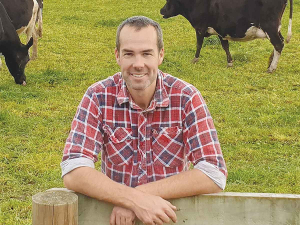
DairyNZ deputy chair Cameron Henderson has been re-appointed unopposed for another term.
OPINION: The stats speak for themselves.
Farms across the upper North Island are trialling different pasture mixes as part of a research programme that aims to build greater resilience into farming systems.
Election years are always a concerning time for farmers, according to DairyNZ chair Tracy Brown.
The Ballance Farm Environment Awards are coming to the West Coast of the South Island.