NZ Food Brands Back New Zealand Grown Grains Campaign
Some of New Zealand’s best-loved food brands have been quick to sign up for a new campaign which reinforces their home-grown status.
 increase font size
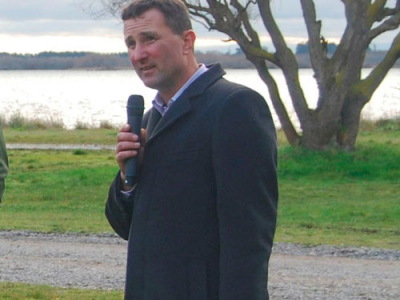 FAR chairman David Birkett.
Cropping farmers go the polls in the next few weeks to determine the future of their levy-funded research organisation, Foundation for Arable Research.
Under the Commodity Levies Act growers have the opportunity to vote to renew levy orders every six years. A 'yes' vote will ensure FAR’s continued existence and on-going contribution to the cropping industry, while a ‘no’ vote would result in the organisation being wound up, and all research and extension programmes ceasing.
FAR chairman David Birkett says voting papers will be hitting farm mailboxes from July 24 with voting closing on Wednesday August 23; he’s confident FAR has the support of its grower base.
“A grower survey last year confirmed environmental compliance as the biggest concern facing arable farm businesses, and that this is just one area where FAR is expanding its capability to provide information to help growers.
“Our farm systems focus has produced great results for growers in recent years, including successfully challenging the ability of Overseer to accurately estimate N losses from cropping systems. This challenge resulted in plans to improve the model for cropping systems as well delaying its implementation as a regulatory tool by some regional councils. Farm environment plans (FEPs) have been another success story, with FAR’s FEP template allowing cropping farmers to complete their FEP without the cost of a consultant. For Canterbury farmers, a FAR-led review of stubble burning, as part of the ECan air quality plan, contributed to ensuring stubble burning can continue in most areas in Canterbury.
“On-going involvement in managing existing and new weeds, pests and diseases has also been important. Biosecurity driven projects are helping prevent weeds like black grass and velvet leaf from becoming established in crops in New Zealand and supporting growers hit by the ban on growing peas after the pea weevil incursion in Wairarapa.
“On-farm biosecurity research is also underway, and has identified the presence of herbicide resistance in weeds in a number of areas in New Zealand. FAR is now working with farmers to develop effective weed control options for these resistant weeds in order to protect our seed industry. FAR has also provided information which has delayed the time until Diazinon is banned, allowing time for biological and cultural pest control solutions to be developed.”
FAR also has good links into Wellington and has successfully leveraged funds from central government for numerous research projects, including more than 70 Sustainable Farming Fund projects in the last 16 years.
“We put a lot of effort into consulting, formally and informally, with growers up and down New Zealand, to ensure that our research and extension strategy matches the needs of their farm businesses,” says Birkett.
“The referendum will have no impact on levy rates which are currently set at 0.9% of sale value for all grain and herbage, amenity and open pollinated vegetable seed crops; 0.6% of sale value for hybrid vegetable seed crops; $1.00 per 10,000 seeds purchased for maize; $10 per hectare for cereal silage.
“This vote isn’t about change. Essentially we are asking our growers to vote to roll over the existing levy orders on arable crops, maize and cereal silage so that we can keep doing what we have always done, adding value to the business of cropping. Growers will receive their voting papers in the mail from July 24, and have the option of voting by mail or on-line. I encourage all growers to take the time to vote.”
Some of New Zealand’s best-loved food brands have been quick to sign up for a new campaign which reinforces their home-grown status.
With arable farmers heading into the busy planting season, increasing fuel and fertiliser prices, driven by the Iranian conflict, are a daily and ongoing concern.
Some arable farmers are getting out of arable and converting to dairy in the faced of soaring fuel and fertiliser prices on top of a very poor growing season.
With the forage maize harvest started in Northland and the Waikato, the Foundation for Arable Research (FAR) is telling growers of later crops, or those further south, to start checking their maize crop maturity about three weeks prior to when they think they will start silage harvesting.
Canterbury arable farmers are down by tens of millions of dollars after a rollercoaster of wild changeable January weather saw harvests delayed and some crops destroyed by violent hailstorms.


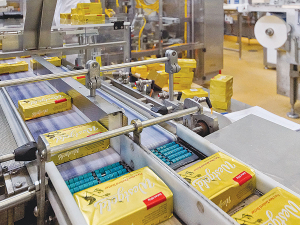
Westgold butter has been named New Zealand's tastiest in a blind tasting conducted by Consumer New Zealand.
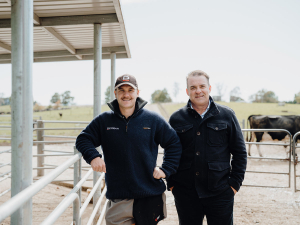
A New Zealand agritech and dairy services group has big plans as it expands its dairy services footprint across dairy hygiene, data, and milk cooling with the purchase of nationwide refrigeration business Dairy Technology Services (DTS).
The 2026 Holstein Friesian sales season has already delivered outstanding results across New Zealand and Australia - including a new Australasian record.
OPINION: At a time when farmers are advocating for less government spending and no new taxes, the dairy sector is rightly concerned by ACT's new immigration policy.
Feilding Agricultural High School isn't alone in offering agricultural or horticultural subjects as part of its curriculum, but the location of one of its farms on the northern edge of the urban fringe makes for some interesting considerations.
Analysis of decades of research has revealed the good farming pracrtice plays a critical role in reducing nutrient losses to improve freshwater outcomes.