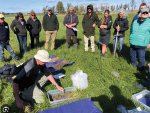
Catch the Rain: B+LNZ Trials Boost Soil Infiltration
Beef + Lamb NZ funded research has shown that some simple changes to pasture management could help farmers make better use of rainfall and build resilience before dry conditions hit.
 increase font size
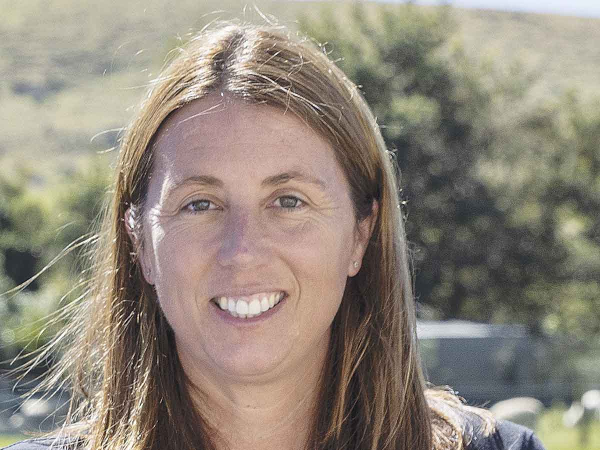 Beef + Lamb New Zealand chair Kate Acland.
According to the latest Beef + Lamb New Zealand (B+LNZ) Stock Number Survey, sheep numbers have fallen by 1% while beef cattle numbers rose by 4.4%.
B+LNZ chair Kate Acland says the survey shows there are reasons for optimism in the sheep and beef sector given recent strong prices.
However, she says challenges remain.
“We’re seeing rebuilding of stock numbers in several regions after drought and other adverse weather events led to sharper reductions in the last two years,” Acland says.
“Farmers are getting much better prices and are feeling more confident about shorter-term prospects,” she adds.
The decline in total sheep numbers is modest as there were more trading hoggets on hand.
However, the number of breeding ewes continue to decline, down 1.9%.
The lamb crop is forecast to be 0.6% lower this season – nearly 120,000 head fewer, on top of a 1.2 million reduction in lambs last year.
“This will only exacerbate already tight supply,” says Acland.
She says the rebuild could have been stronger were there not a continued loss of land to forestry.
“This is creating ongoing concerns about our sector’s long-term viability.
“Our conservative estimate is 2.6 million stock units have been lost to afforestation since 2017, and afforestation is responsible for 78% of the total reduction in sheep and beef stock numbers since 2017,” Acland says.
“The Government has set a goal of doubling exports by 2034, and sheep and beef farmers will be essential to achieving this goal. Nearly 20 percent of New Zealand’s export earnings – $10.4 billion in 2024 – come from the red meat sector.
“But we can’t double exports if we’ve planted our best farmland in pine trees. We’re calling on the Government to do more to restrict whole-farm sales for entry into the ETS.”
The increase in beef cattle is attributed to farmers in some areas rebuilding herds following drought in the South Island last year and Cyclone Gabrielle’s effects in the North Island in 2023.
There has also been a continual shift within farming systems from sheep to beef cattle as cattle prices have been consistently high.
Beef + Lamb NZ funded research has shown that some simple changes to pasture management could help farmers make better use of rainfall and build resilience before dry conditions hit.

Ravensdown shareholders have elected Jane Montgomery and Kate Acland to the Ravensdown Board for three-year terms, following a closely contested director election.
Beef + Lamb New Zealand (B+LNZ) says it welcomes the passage of the Natural Environment Bill and Planning Bill, calling the bills a positive step for sheep and beef farmers.
If you're thinking about investing in ways to push feed forward, this is the year to do it.
Farmgate lamb prices are down by 8%, beef cattle by 4.5% and farm expenditure up by 4.2%.


Three and a half years on from when Cyclone Gabrielle hit Hawke's Bay, some orchardists in the region are still receiving counselling to help them deal with the trauma they suffered.
South of the central Hawke’s Bay town of Waipukurau is Taniwha Station – a highly successful 550ha bull beef farming operation.
Beef + Lamb NZ funded research has shown that some simple changes to pasture management could help farmers make better use of rainfall and build resilience before dry conditions hit.
OPINION: There could hardly be a more appropriate theme for a conference than the one chosen by the red meat sector - Navigating Volatility.
When Northland leather worker Vernon Suckling started making horse saddles 50 years ago, quad bikes and side-by-side vehicles were unheard of.
Alliance Group has confirmed that eligible farmer-shareholders who supply and continue to back the business will receive up to $20 million later this year, following the strategic investment partnership with Dawn Meats.