Massey Uses Portable Analyser to Measure Pasture Soil GHGs
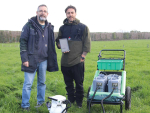
Researchers at Massey University are using a special piece of scientific equipment to improve the measurement of greenhouse gas emissions from pasture soils.
 increase font size
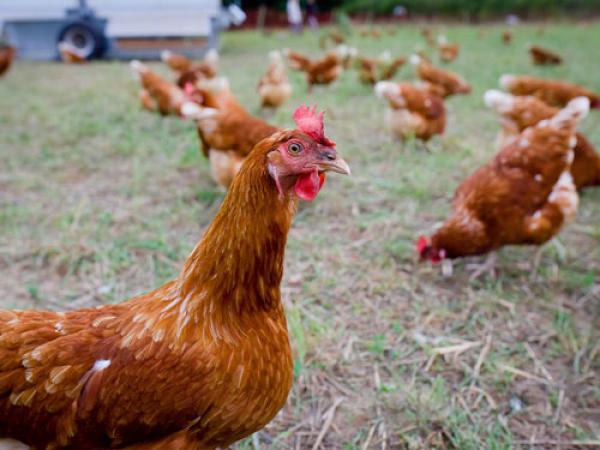 Massey University is looking for backyard poultry keepers for a new project.
The race is on to find backyard poultry keepers for a project run by Massey University.
The project, led by Associate Professor Carolyn Gates from Massey University’s School of Veterinary Science, aims to improve the health and welfare of backyard poultry populations.
The project is being launched today to coincide with World Poultry Day, which recognises the dedication and efforts being made across the globe by those in the industry.
Researchers seek to co-design a national poultry health information system alongside the backyard poultry keepers of New Zealand in the hopes of making it easier for them to provide the best possible care for their flocks.
At the same time, the system will capture important data that will help researchers identify more effective ways to improve poultry health and wellbeing.
The project is being funded through the Ministry of Primary Industries’ Sustainable Food and Fibre Futures fund (SFF Futures), with additional co-funding from the Poultry Industry Association of New Zealand (PIANZ).
Phase one of the project invites backyard poultry keepers to visit the project website, register their support for the initiative, and participate in short voluntary surveys to help shape the design of a national poultry health information system.
Gates says despite many households across New Zealand keeping small numbers of backyard poultry for any number of personal reasons, very little is known about the country’s backyard poultry population.
“We don’t know much about how these birds are kept and what health challenges they face since there is currently no legal requirement for poultry keepers with fewer than 100 birds to register their flock in a national database,” she says.
Gates says surveys conducted by Massey University in 2021 revealed that backyard birds are rarely seen by veterinarians for preventative flock health care advice and many poultry keepers report having difficulty finding clinics willing to treat sick birds.
As a result, she says, many backyard birds are likely getting sick from preventable diseases and, when they do get sick, keepers are likely using unreliable resources like social media to get poultry health advice which may be causing harm to their birds.
“Additionally, in the event of a natural disaster or an infectious disease outbreak like they recently had with Avian Influenza in the United Kingdom, we also don’t have enough information about backyard poultry flocks to be able to provide keepers with the support they need to keep their birds healthy.”
For the purpose of this project, a backyard poultry keeper is defined as any individual who keeps less than 100 birds for companionship, meat or eggs for personal use, hobbies, showing, breeding, pest control, and/or supplemental income.
If you are a backyard poultry keeper in New Zealand, visit www.poultryintel.org.nz to access the links to participate in the project activities.
Researchers at Massey University are using a special piece of scientific equipment to improve the measurement of greenhouse gas emissions from pasture soils.

Interest in agritech and production animal systems has prompted Massey University's School of Agriculture and the Environment to new majors to its popular animal science degree.
Testing confirms H5 bird flu in a single northern giant petrel, found dead on a remote Cape Palliser beach in the Wairarapa, says Dr Mary van Andel, the Ministry for Primary Industries' (MPI) Chief Veterinary Officer.
The industry is crying out for graduates with agricultural related degrees.
The apple sector is working with the Government to unlock access to two key markets that could bring millions in revenue for apple growers.

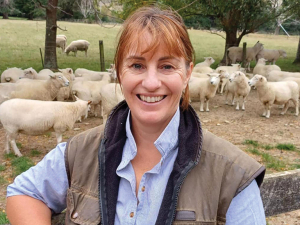
B+LNZ's Wormwise veterinarian Mary Bowron has won the Best Sheep and Beef Vet of the Year Award in recognition of her outstanding contribution to New Zealand’s sheep and beef sector.
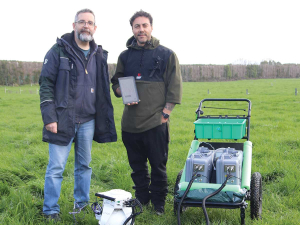
Researchers at Massey University are using a special piece of scientific equipment to improve the measurement of greenhouse gas emissions from pasture soils.
More signs of a booming kiwifruit sector.
OPINION: David Seymour and James Meager's plan to make it easier for farmers and orchardists to operate drones can best be described a 'courageous' move.
New Zealand wool is reaching new heights as air filtration companies move away from synthetic products to biodegradable alternatives.
Opuha Dam's ability to protect South Canterbury communities from major flooding has taken a significant step forward, with Opuha Water Limited (OWL) successfully commissioning a new outlet valve capable of releasing record volumes of water from the dam ahead of a weather event.