Cyclone Gabrielle: Hawke's Bay Orchardists Still Recovering
Three and a half years on from when Cyclone Gabrielle hit Hawke's Bay, some orchardists in the region are still receiving counselling to help them deal with the trauma they suffered.



 increase font size
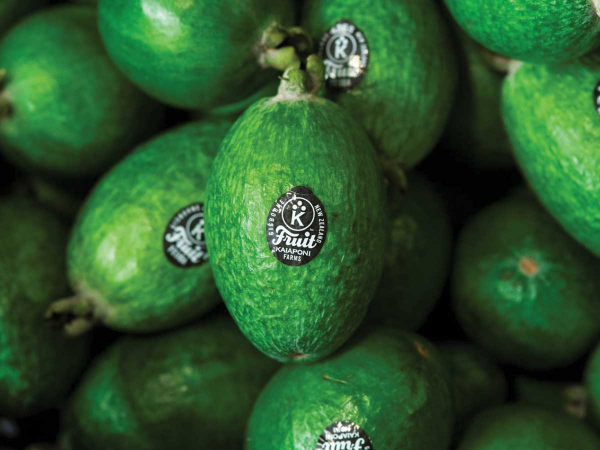 Recent bad weather has had little effect on this season's feijoa crop.
The recent spell of bad weather hasn’t impacted the annual feijoa crop.
However, New Zealand Feijoa Growers Association (NZFGA) says adverse weather has left this season’s fruit “more marked than usual”.
NZFGA manager Ian Turk says much of the 2023 crop escaped significant damage from flooding in January and Cyclone Gabrielle.
“Feijoas are grown commercially from Northland through to the top of the South Island. This geographical spread has helped maintain crop volumes despite a challenging season,” Turk says.
“While the weather has disrupted the usual timing of the season, and fruit is a little later this year than normal, we’re expecting a good supply of fruit this season.”
While the amount of fruit will be similar to previous years, Turk says shoppers may find the feijoas in their local stores are more marked than usual.
“The high winds and adverse weather conditions have left their mark on the skin of the 2023 crop,” he says.
“But shoppers can be assured that the taste has not been compromised, you can still expect the same delicious flavour from this year’s crop.”
Meanwhile, Plant & Food Research principal scientist and 5+ A Day Charitable Trust spokesperson, Dr Carolyn Lister says feijoas provide valuable nutrition.
“Including just two feijoas a day through the autumn months will provide 64% of your recommended daily intake of vitamin C, which has an important role in helping your immune system,” she says.
“Feijoas are also a source of dietary fibre which helps you feel fuller for longer and is important for digestive health,” Lister says.
Three and a half years on from when Cyclone Gabrielle hit Hawke's Bay, some orchardists in the region are still receiving counselling to help them deal with the trauma they suffered.
The chief executive of Apples and Pears New Zealand, Danielle Adsett, says fruit quality this year is phenomenal and the sector is hitting crop estimates, which is great for growers.
Nearly three years on from Cyclone Gabrielle, Hawke's Bay apple orchardist Paul Paynter says they are still doing remedial work around their orchards and facing financial challenges.
If there was a silver lining in the tragedy that was Cyclone Gabrielle, for New Zealand Young Grower of the Year, Grace Fulford, it was the tremendous sense of community and seeing first-hand what good leadership looks like.
Listed carpet manufacturer, Bremworth is undertaking a $6 million expansion at its Napier plant more than two years after the site was heavily damaged by Cyclone Gabrielle.



Federated Farmers has welcomed new rural policies released by ACT, saying they align closely with its own election priorities.

Rural Contractors NZ says proposed changes to land transport rules for agricultural vehicles are a welcome response by the Government to out of date regulations which have seen members hit with huge fines.
Alliance is calling for final applications for its 2027 Graduate Programme, with applications closing on Sunday 25 October.
Decades piloting planes has ensured vet and farmer David Hayes is focused on safety. So, after a serious accident while welding on farm, he is sharing his experience so others can learn from it.
Canterbury milk processor, Synlait Milk has confirmed Leon Fung as its chief executive officer.
OPINION: Making it easier to collect rainwater and use it to grow crops and livestock is a no brainer.

OPINION: The same mainstream media muppets that brought you Jacindamania in 2017 have been flat out pimping for the Opportunities…
OPINION: Your old mate reckons the atrocious way farmers in the UK are treated by their lords and masters in…




