Fresh produce growers need to consider safe food practices a necessary step in the cost of doing business, delegates at the recent International Fresh Produce Association Australia and New Zealand (IFPA A-NZ) second annual Food Safety Summit heard.
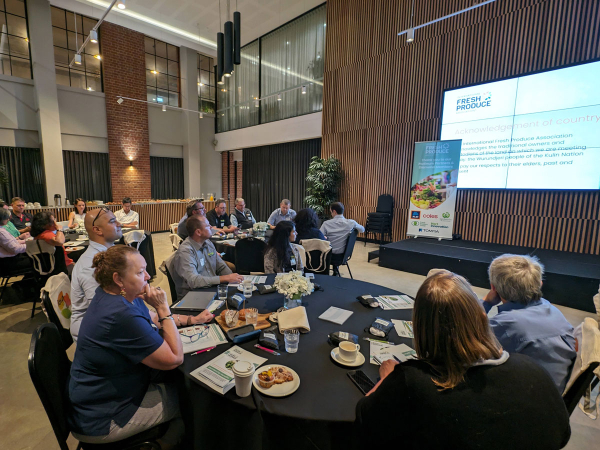
IFPA A-NZ head of food safety Deon Mahoney and United States-based IFPA chief food safety and regulatory officer Natalie Dyenson were among the speakers to address growers, packers, retailers, industry representatives, researchers, and food regulators at the summit in Melbourne on 12 December.
Key topics included an overview of the global food safety landscape; upcoming changes to production and processing standards for berries, melons, and leafy vegetables due for implementation on 12 February, 2025; and how the IFPA A-NZ can support growers on food safety.
The changes to the Food Standards Code gazetted by the Australian Federal Government in 2022 would see horticulture included as a new responsibility for state and territory regulators, Mahoney says.
“There has been some confusion and angst about what the new standards mean for berry, melon, and leafy vegetable sectors and how they will work,” he says. “The fresh produce industry currently works with voluntary standards set by supermarkets and food service customers and there have been no previous standards for these sectors.
He says the summit was and opportunity for Food Standards Australia New Zealand (FSANZ) and Safe Food Production Queensland (SFPQ) to address concerns and outline how individual states and territories approach food safety regulation differently.
“The regulations are not that onerous,” he says. “The general view is that if producers are already meeting stringent supermarket standards, they will meet the new regulations. However, there’s much work to be done by the regulations. However, there’s much work to be done by the regulators including first registering growers and packers.”