HelloFresh Launches Country Cookout Box in NZ
HelloFresh New Zealand has launched a limited-edition Country Cookout Box of Southern-inspired meals, arriving as the 2026/27 rodeo season gets underway.



 increase font size
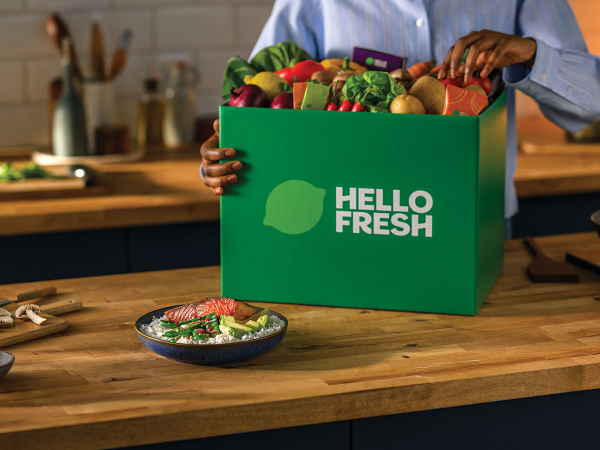 Hello Fresh says local sourcing remains a major focus for the company.
Local growers and farmers are set to benefit from a refreshed offering from meal kit provider Hello Fresh.
The introduction of a new Green Box sees weekly recipes jump from 43 to 59, bringing greater menu variety and more New Zealand produce and proteins to consumers.
Around 95% of Hello Fresh produce, protein and dairy is sourced from New Zealand.
Hannah Gilbert, head of culinary at HelloFresh Australia and New Zealand, says local growers and suppliers are an important part of how they build their menus.
“Like most food businesses, some ingredients may come from offshore depending on seasonality, availability and quality requirements, but local sourcing remains a major focus for us,” Gilbert told Hort News.
“Fresh vegetables and proteins are a big part of what we source from New Zealand suppliers each week.
“That includes everyday staples that appear right across the menu, as well as more premium ingredients featured through the refresh.”
Examples include lamb rump from Otago and Southland, hapuku from Bluff, and vegetables such as Campari vine tomatoes, baby silverbeet, oyster and shiitake mushrooms, and mini capsicums from regions including Pukekohe and Waikato.
One grower supplier, Dave Hyland, Mercer Mushrooms, says they are proud to supply HelloFresh because “it means our mushrooms are going almost directly from our growing rooms into Kiwi kitchens”.
“The partnership gives us a reliable route to market, supports stability for our team, and allows us to keep investing in quality and innovation here in the Waikato,” he told Hort News.
Hello Fresh sources produce from range of regions across both the North and South Island, depending on seasonality and availability.
Food safety, quality, consistency and reliability are all critical in how the company selects suppliers.
"We want to work hand in hand with people who can consistently deliver high-quality ingredients and who share our focus on freshness and a great customer experience,” says Gilbert.
“We stay close to our partners through regular touchpoints and planning, so we can keep quality consistent, respond to seasonal changes and make sure we’re delivering what customers expect every week.”
Gilbert says the refresh is all about giving customers more choice and better quality.
HelloFresh New Zealand has launched a limited-edition Country Cookout Box of Southern-inspired meals, arriving as the 2026/27 rodeo season gets underway.

"What's for dinner?" may sound like a simple question, but for many Kiwi parents, answering it has become a job in itself.
New research reveals that New Zealand households have made progress in reducing food waste over the past year, cutting the annual amount wasted by an estimated $300 million in the past year alone.
OPINION: This old mutt hears that international meal delivery giant HelloFresh has been accused of using coconut milk obtained using 'forced monkey labour' in Thailand.
Meal kit company HelloFresh has seen a significant lift in the volume of orders as it expands its share of the New Zealand market and doubled its menu.

Mobile phone coverage and reliability are deteriorating in rural areas, and farming families are bearing the cost, according to a Federated Farmers survey.
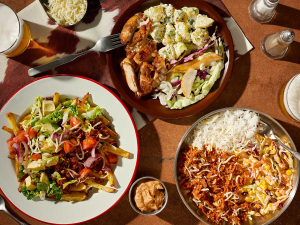
HelloFresh New Zealand has launched a limited-edition Country Cookout Box of Southern-inspired meals, arriving as the 2026/27 rodeo season gets underway.
Beef + Lamb New Zealand Incorporated (BLNZ Inc) is marking 40 years of promoting red meat to New Zealand consumers, citing its taste, family meals and nutritional benefits.
Pāmu has welcomed Taranaki student Paige Burston as its newest First Foundation Scholar, supporting her journey towards a career in agriculture and animal science.
Farmer-owned fertiliser company, Ballance Agri Nutrients is welcoming National’s plan to negotiate security agreements with key supplier countries to protect New Zealand-bound products from export restrictions and greater supply chain certainty.
Carrfields has announced the appointment of Stu Hall to the newly created role of chief operating officer, Carrfields Ltd, reflecting the continued growth of their agribusinesses and the need to ensure the company has the leadership capacity and support in place as it pursues the emerging opportunities ahead.

OPINION: The same mainstream media muppets that brought you Jacindamania in 2017 have been flat out pimping for the Opportunities…
OPINION: Your old mate reckons the atrocious way farmers in the UK are treated by their lords and masters in…




