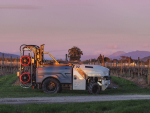
The kiwifruit industry needs to automate to protect growers from the labour challenges the industry faces.
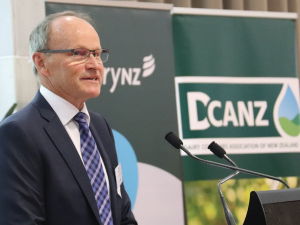
That's the view of kiwifruit growers collective NZKGI's chief executive Colin Bond.
His comments come as the first kiwifruit for the new season starts to get picked.
Bond believes that automation, in the first instance, will likely be in the post-harvest area, which is easier to automate than in orchards. But he notes that this part of the supply chain takes up a lot of seasonal workers and with further automation they then could be diverted into the orchard area.
"This would be a good first step and buy us more time to grow the industry as we look for ways to automate in the orchard," he told Hort News.
Bond says there is a lot to be positive about as the season gets underway and he's predicting a bumper crop of 190 million trays - 10 million more than last year. He says there is a lot of demand in the market for our products. However, he points out the challenge is how to get all the fruit off the vines, safely through our supply chain and into markets.
Bond says labour is one of the biggest issues facing the industry. Historically around about 25% of the staff the sector employs com from overseas, which is a big hole to fill while borders are shut.
"We have been working very hard during the last few years trying to attract and retain more locals. We are only just starting our labour attraction campaign for this and over the last couple of years we have pulled in an additional 3,500 New Zealanders into our workforce during the seasonal peak," he says.
"We're hopeful we can do that again but it gets increasingly challenging as the unemployment rate drops and - as we know - every industry is screaming out for people."