International Day of Rural Women: Two DairyNZ Farmers’ Stories
Today, 15 October, is the International Day of Rural Women, which recognises rural women’s contribution to farming, communities and the environment.
 increase font size
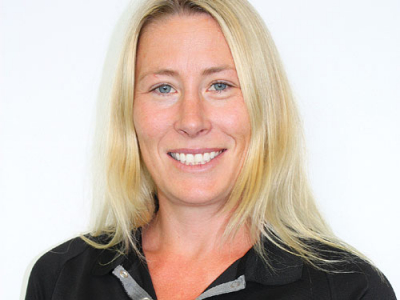 Jane Muir.
As in the other primary sectors, dairy is experiencing a demand for labour, says Jane Muir, DairyNZ people team manager.
Southland and Canterbury are the regions most short of labour, Muir told Dairy News.
“That is driven by unemployment rates even lower in the South Island than the rest of the country and low for quite a while.”
And more people are moving into urban areas: about 85% of people in NZ now live in towns or cities.
“We would like more people to come and work in dairy,” Muir says.
“DairyNZ has heaps of programmes to attract more people. They start in primary schools and work with children. We have our Rosy programme creating awareness of opportunities in dairy and the wider primary sector.”
In secondary schools DairyNZ has TeenAg clubs and it takes part in career expos, so exposing youngsters to opportunities.
“We try to encourage career changers to see the skills they might have that can be used in the primary sector to give them a rewarding career.”
About 35,000 people currently work on dairy farms in NZ and DairyNZ’s work suggests that every year 3500 people need to come into dairy to replace those leaving -- about 10%, says Muir.
“From our understanding that is reasonably in line with other sectors’ turnover; it is nothing unusual.”
But the commitment under the Dairy Tomorrow strategy is to provide “great workplaces for the most talented workforce”.
DairyNZ seeks to offer the most competitive workplaces in NZ, “with great work conditions, competitive hours, rewarding careers -- jobs where people can have a purpose,” Muir says. “That is our goal. We want to be at the leading edge of providing great workplaces.”
Farmers wanting to retain or attract workers must examine their workforce needs to put together packages -- all the work conditions -- that appeal to people, she says.
“There are heaps of great things about working on a dairy farm, like the variety that people get working outdoors, working with animals -- things that are naturally appealing. Then making sure you are being a really good boss -- fair, communicating well, competitive wages and salaries, hours of work that allow for good work-life balance, fair rosters, good team morale, people getting positive feedback and opportunities to learn and grow.
“The dairy and wider primary sector is such an awesome opportunity because it is a key employer of NZers and a lot of the skills you can learn are transferable. So once you are in, you learn great things about working onfarm and you can possibly transition to being a professional and working in the primary sector.”
There are many positives stories about people who have changed from a wide range of careers and now work on dairy farms, Muir says. They are valuable members of the sector.
“They often stay a long time and find it rewarding -- those positive things, working with animals, making a difference. There is a strong sense of purpose in dairy; we are a key contributor to the NZ economy in dollars and in looking after NZ for future generations.”
Today, 15 October, is the International Day of Rural Women, which recognises rural women’s contribution to farming, communities and the environment.
The first major update to the Dairy Cattle Code of Welfare in more than a decade has been released, marking what DairyNZ describes as an important step in ensuring animal welfare standards continue to evolve alongside scientific evidence and on-farm realities.
Have a plan in place for your cows and staff.
DairyNZ deputy chair Cameron Henderson has been re-appointed unopposed for another term.
OPINION: The stats speak for themselves.



Federated Farmers has welcomed new rural policies released by ACT, saying they align closely with its own election priorities.

Rural Contractors NZ says proposed changes to land transport rules for agricultural vehicles are a welcome response by the Government to out of date regulations which have seen members hit with huge fines.
Alliance is calling for final applications for its 2027 Graduate Programme, with applications closing on Sunday 25 October.
Decades piloting planes has ensured vet and farmer David Hayes is focused on safety. So, after a serious accident while welding on farm, he is sharing his experience so others can learn from it.
Canterbury milk processor, Synlait Milk has confirmed Leon Fung as its chief executive officer.
OPINION: Making it easier to collect rainwater and use it to grow crops and livestock is a no brainer.




