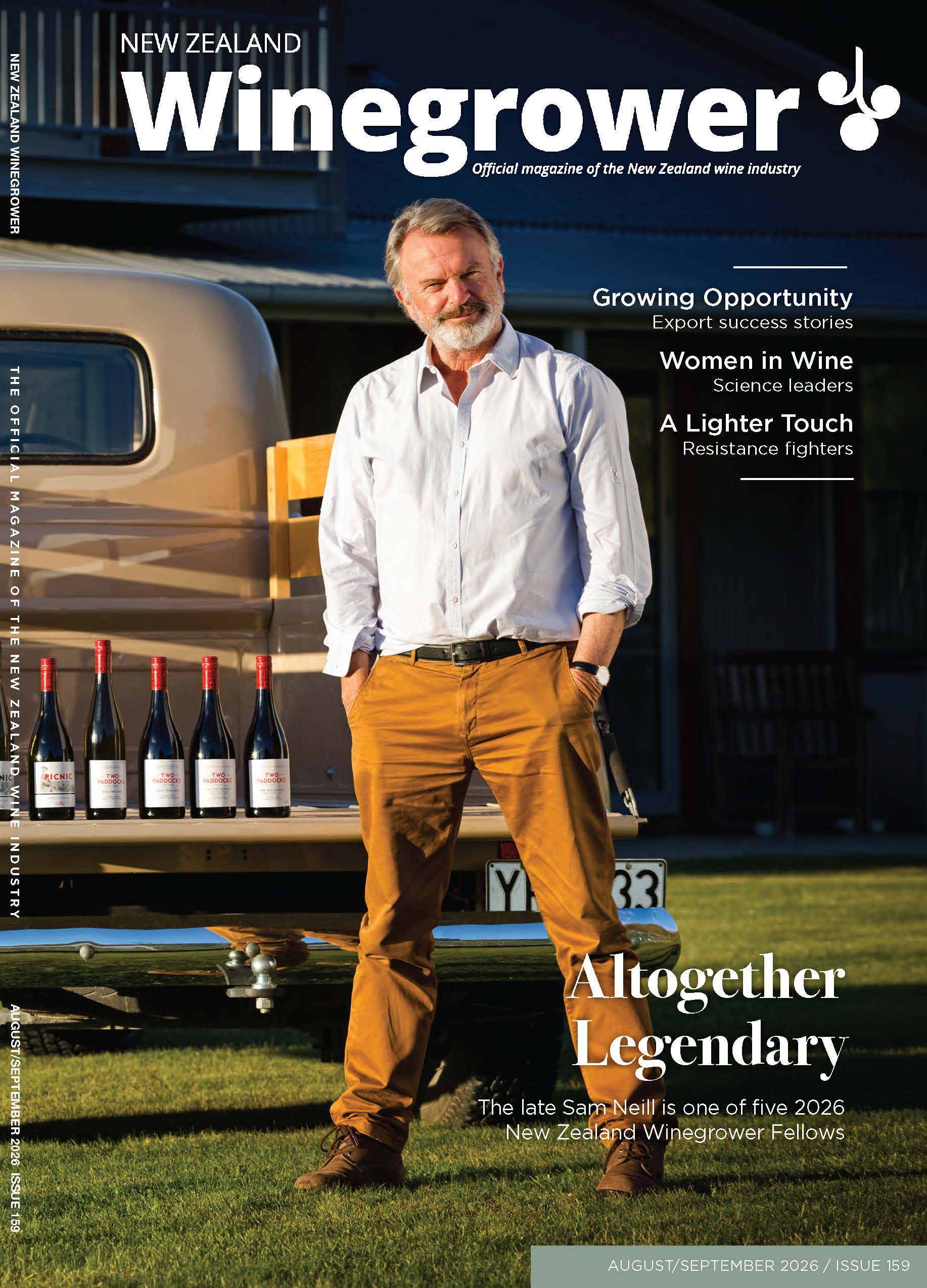
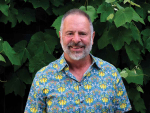
NZW Fellows: Sir Sam Neill Remembered for His Deep Love of New Zealand Wine
Sir Sam Neill made an extraordinary mark on the world, and on the world of New Zealand wine.




 increase font size
Central Otago grape growers and orchardists will continue to face labour shortages at critical times like harvest, if the region can’t provide enough accommodation for seasonal workers.
Results of a labour survey for Central Otago’s viticulture and horticulture industries just released predicts a shortfall of nearly 2300 seasonal workers’ beds across both sectors in the next four to five years, despite “considerable investment being made by growers and others in developing accommodation.”
The 2018 survey was undertaken on behalf of the Central Otago Labour Market Governance Group, by Druce Consulting, updating one undertaken three years ago.
A 14 percent increase in grape plantings, or an additional 284 hectares will bring the Central Otago vineyard estate to 2275 hectares.
However, total orchard plantings will overtake grape plantings during the next four to five years.
Central Otago relies heavily on Recognised Seasonal Employers scheme (RSE) workers and the transient backpacker population for seasonal work.
The survey has highlighted widespread concern that the region will be unable to accommodate seasonal workers over peak demand periods like harvest, mostly due to the reduction in commercial campgrounds, and expected restrictions on freedom camping. It calls for urgent action to find solutions.
It recommends a raise in the RSE cap, more flexibility and simplification in the Essential Skills visa category to make it easier for employers to fill gaps, and looking at how to attract a greater number of working holiday visa holders given increasing competition from other sectors.
“As labour challenges intensify, providing attractive employment conditions and affordable accommodation for workers is going to be the key to securing workers in the future. This will require strong concerted action by the growers, stakeholder groups and local and central government, supported by the Central Otago Labour Market Governance Group.”
Some of the needed ‘beds’ may need to be supplied as camping capacity rather than fixed accommodation, says Tara Druce, of Druce Consulting.
Sir Sam Neill made an extraordinary mark on the world, and on the world of New Zealand wine.
OPINION: New Zealand's soils and climate make our wine industry extraordinary. But it is the people behind the vines and wines who make it Altogether Unique.
A new app designed in New Zealand aims to help sheep, beef and deer farmers capture, analyse and use body condition score data more effectively.
Rabobank has celebrated the tenth anniversary of its AgPathways Programme, with 23 farmers from Otago and Southland gathering for two-and-a-half days to learn new business management and planning skills.
New Zealand farming history needs to be celebrated, says the New Zealand Century Farm and Station Awards (NZCFSA) national coordinator, Anne Barnett.


OPINION: The months ahead are important for New Zealand Winegrowers.
OPINION: New Zealand's soils and climate make our wine industry extraordinary. But it is the people behind the vines and…
One of Australia's most decorated winemakers will speak at the Aotearoa New Zealand Chardonnay Symposium in Hawke's Bay this September.
The third Aotearoa New Zealand Chardonnay Symposium will be underway in Hastings, Hawke's Bay, on 17-18 September.
In early May, New Zealand Winegrowers delivered a webinar for members, providing a commercial view of New Zealand wine in…