
Tatua Final Milk Price $12.42/kgMS, Outlook Positive
After delivering another record farmgate milk price to 100 supplying farms, independent milk processor Tatua is entering thee new financial year with a positive outlook.
 increase font size
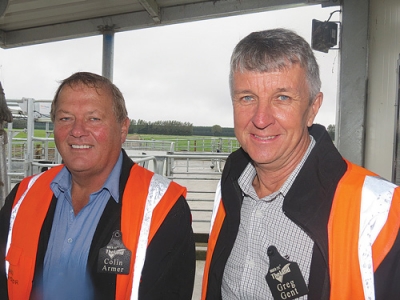 Colin Amer (left) and Greg Gent say a back to basics approach will help dairy farmers bounce back.
Three leading dairy farmers have told Rural News a back-to-basics approach is the best way to manage the present dairy crisis.
Trevor Hamilton, who owns farms in the North and South Island, says the worst thing that happened to the industry was the $8.40/kgMS payout.
He says in the present era of market volatility and low payouts, farmers need to check their balance sheets and delve into their cost structures.
Hamilton says farmers need to get costs down to around $3.50/kgMS.
"If you take the Fonterra milk price and average that over the last ten years, it's about $6/kgMS. So I believe that in the medium term, as long as you have a sound business at around that $6, you are probably ok; but if not you could well do with an assessment of your business," he told Rural News.
Hamilton says dairy companies such as Tatua and Westland Milk Products, which produce a higher percentage of value add products, are more shielded from the volatility of the commodity market.
Former Fonterra director Greg Gent believes that grass will become fashionable again as the effects of lower dairy prices persist. This is a positive effect of the current crisis.
"Our comparative advantage in the world is grass, and not all dairy farmers moved away from that. Many stayed with straightforward farming systems. Moving back to greater use of grass and relying less on supplements will make for a stronger industry."
Gent says in the days when New Zealand was getting $US5000/tonne for milk powder, any farm system could work and make money. But now the fallout from that is starting to show.
He says the present downturn will prompt farmers to look at how they handle risk and perhaps to build more resilience into their businesses -- a positive consequence.
Another former Fonterra director, Colin Armer, says clearer market signals would have helped farmers manage their way through the present difficult times.
He says while the low dairy prices can't be blamed on Fonterra, some clearer signals about what was happening would have been helpful.
Armer says to restore profitability to the industry there must be a move back to some basics, such as the volumes of production coming off farms and the cost of production.
"There will have to be a reset and some costs taken out of the business. We don't know how long this oversupply situation will last, but in the meantime people can't go on banking losses."
After delivering another record farmgate milk price to 100 supplying farms, independent milk processor Tatua is entering thee new financial year with a positive outlook.
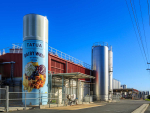
Waikato milk processor Tatua has again declared a record milk payout to farmer shareholders, leaving other processors in the dust.
Tatua chair Stephen Allen says he leaves the co-op with a deep sense of gratitude for the people who have contributed to its success.
Tatua Co-operative Dairy Company has confirmed that chair and director Stephen Allen will retire at the co-operative's annual general meeting (AGM) on 3 December 2026, ending 30 years of service, including more than 20 years as Chair.
OPINION: Fonterra's board has certainly presented us, as shareholders, with a major issue to consider.


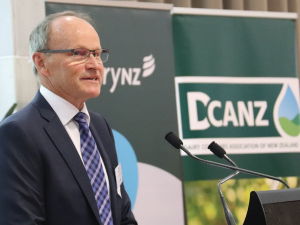
Dairy processors are ready to further boost New Zealand’s export earnings but want the incoming government to match their ambition with good policy.

Massey University is best placed to solve the “problems” facing the dairy industry, says vice chancellor, Pierre Venter.
Synlait's longest serving employee – a man who joined the Canterbury-based milk processor even before it began processing milk – is now its newest executive.
A dairy industry leader believes eradicating the common and costly disease, Bovine Viral Diarrhoea (BVD) is within reach.
A farmgate milk price of $10/kgMS this season is firming up as milk powder prices soar and the New Zealand dollar weakens.
Federated Farmers has welcomed new rural policies released by ACT, saying they align closely with its own election priorities.