Wools of New Zealand Calls for India FTA to Boost Farmer Returns
Wools of New Zealand is joining calls for New Zealand to urgently ratify a Free Trade Agreement with India.
 increase font size
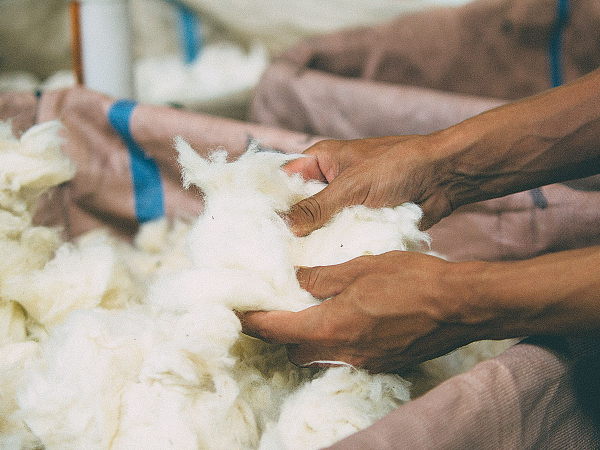 Demand for wool carpets is on the rise, say retailers.
Wools of New Zealand (WNZ) is reporting more demand for wool carpets.
The wool company says in the past year there has been a 50% rise - 350 tonnes - in local wool sales through its retailers - resulting in higher demand and higher prices for strong wool.
Last year, WNZ partnered with FlooringXtra and other independent retailers to launch wool carpets to the NZ market.
"Wool-based flooring now accounts for a significant part of our sales revenue and we couldn't be happier," says FlooringXtra chief executive Tony TeAu. "In the last six months, we have seen consumers consistently walking into our stores asking specifically for carpets made from wool."
TeAu told Rural News that his company's wool carpet sales had increased by 50% in the past 18 months.
Meanwhile, WNZ chief executive John McWhirter says come May, it will be welcoming additional independent and retail chains to market wool carpets in NZ.
"The feedback from retailers we are getting is that consumers are seeking sustainable, renewable and biodegradable carpet made from wool grown right here in New Zealand. Wool's lower carbon footprint is increasingly in step with consumer expectations."
He adds that one of the key barriers to increasing sales of wool carpets in the past has been affordability. However, McWhirter claims that with WZ carpet priced competitively with synthetic carpets, New Zealanders now have a genuine choice between a synthetic product or a natural product direct from farmer-growers.
"Our goal is to grow the consumption of strong wool in the market by making wool carpet affordable to the majority of Kiwis," he says. "We can achieve this by utilising modern high volume manufacturing operations without impacting on quality."
Wools of New Zealand is joining calls for New Zealand to urgently ratify a Free Trade Agreement with India.
Keratin biomaterials company Keraplast and Wools of New Zealand have signed a new superpremium wool contract which is said to deliver a boost to wool growers.
Wool farmers are hoping that efforts by two leading companies to develop a more efficient supply chain would eventually boost farmgate returns.
Wools of New Zealand has signed a partnership agreement with a leading Chinese manufacturer as the company looks to further grow demand in China and globally.
Chinese textile company Saibosi has partnered with Wools of New Zealand to put the 'farm to floor' story of New Zealand wool rugs on screen for its customers.



Analysis of decades of research has revealed the good farming pracrtice plays a critical role in reducing nutrient losses to improve freshwater outcomes.

Could New Zealand use its unproductive land to help solve possible fuel insecurity in New Zealand? Scientists say yes.
Wool Impact and ASB have signed a new partnership with the bank set to provide financial backing to support the revitalisation of New Zealand's strong wool industry.
OPINION: Farmers have been clear: it is getting harder, not easier, to find and keep good people.
Last week marked New Zealand Sign Language Week and a South Canterbury tanker operator is sharing what it's like to be deaf in a busy Fonterra depot.
As fuel and fertiliser prices rise and with uncertainty in the future, farmers are being urged to go over their budgets with a fine-tooth comb.