Firmer prices for better wools
The 5100 bales of South Island wools on offer this week through the Wool Services International auction saw strong competition and a 90.5% clearance.
 increase font size

ALMOST ALL wool types increased in value this week at the combined wool auction, Wool Services International reports.
A stronger New Zealand dollar, limited wool availability and renewed client interest contributed, says WSI marketing executive, Paul Steel reports.
Of the 18,100 bales on offer, 93% sold. Compared to the last sale on January 9, the weighted indicator for the main currencies increased by 0.81%.
Compared to last time sold on December 19, mid micron fleece 27 to 28.5 microns were slightly easier by 1 to 2.5% with 29 to 31 microns 2 to 4.5% stronger.
Compared to the January 9 sale, fine crossbred fleece and shears 31.5 to 35 microns ranged from 1 to 5% dearer.
Coarse crossbred fleece 36 micron and coarser were 1 to 5% dearer with the average styles increasing the most.
Coarse second shears were 1 to 3% firmer. First lambs 27 to 31 microns were firm to 7% dearer with the finer types increasing the most.
Combing oddments eased by 2 to 4 percent with short types slightly easier in the South but up to 3% dearer in the north.
Strong competition with China, Australasia and Western Europe the principals, was supported by India, Middle East and United Kingdom.
The next sale on January 23 comprises about 8,200 bales from the North Island and 6,000 bales from the South Island.
The 5100 bales of South Island wools on offer this week through the Wool Services International auction saw strong competition and a 90.5% clearance.
John Dawson, CEO of NZWSI, reports that the South Island sale this week saw a strong market with steady support.
Wool markets remain steady with the latest sale seeing increases of 1 to 2% overall, says NZWSI general manager, John Dawson.
THE NORTH Island wool auction generally remained firm to only slightly easier despite local and overseas expectations of a much weaker market.
WOOLS OF New Zealand says growers are rallying around the Direct-to-Scour (D2S) spot market sales option with volumes double each month since it was launched last October.


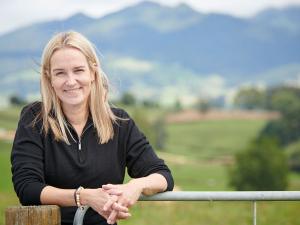
Minister of Conservation Hon Tama Potaka has appointed Susan O'Regan as Chair of the Queen Elizabeth II National Trust (QEII) for a three-year term.
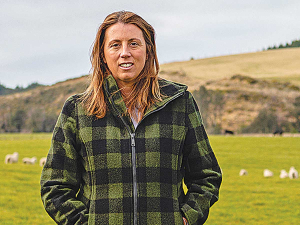
Red meat farmers are welcoming Labour’s plan to review the Emissions Trading Scheme and not to campaign on pricing agricultural emissions.
Where any worker in the kiwifruit industry is mistreated, we expect the authorities to take action.
Mid Canterbury Federated Farmers arable chair, Bevan Lill, said Beef + Lamb NZ data indicated that for the last six years, the average arable return on investment was about 0.8% while inflation ran about 4% - so the average arable farm was going backwards at about 3% a year.
Seed and grain companies share the concerns of arable farmers about the viability of their sector, says Seed and Grain New Zealand chief executive Dr Sarah Clark.
The New Zealand Institute of Forestry (NZIF) says unnecessary changes to New Zealand’s Emissions Trading Scheme (NZ ETS) will seriously erode investor confidence and result in significant reductions in forest planting rates.