Rabobank Launches HortPathways for Emerging Hort Leaders
Twenty-eight emerging leaders from across the horticulture sector spent two days last month learning valuable skills and connecting with industry experts.
 increase font size
 Blake Holgate.
Australian exports are plunging and this could spell good news for New Zealand beef farmers, according to Rabobank analyst Blake Holgate.
Meat and Livestock Australia reports that beef exports in April were 6% lower than a year earlier.
Eleven of Australia’s top 15 most valuable red meat export markets are expected to enter recession in 2020, creating a range of factors that could impact red meat sales, MLA warns.
Holgate says a decrease in Australian beef exports was particularly significant for NZ, given Australia was New Zealand’s major competitor for beef exports in our two largest beef export markets – the US and China.
As a result of historically low beef inventories and widespread rain buoying local restocking motivation among producers, Rabobank anticipates the Australian 2020 beef slaughter will fall 14% this year and a further 2% in 2021.
“Consequently, Australian beef exports are expected to plunge by 17% in 2020 and the change in their slaughter composition – moving from a high to low proportion of females – will further affect the distribution of Australian exports into overseas markets.
“Australia’s lower cow kill will mean less competition for New Zealand exports of manufacturing beef in the US where New Zealand and Australia are the dominant suppliers of this product,” he said.
The lower Australian kill will also support the New Zealand beef industry’s prospects in China, with reduced Australian beef exports helping mitigate against increasing competition in China from other major beef-producing regions such as South America.
Last season, the US and China accounted for just over 70% of New Zealand’s beef exports.
And the reduced Australian competition into these two key markets will play a key role in holding up New Zealand beef export values in an otherwise disrupted global beef market, notes Holgate.
Twenty-eight emerging leaders from across the horticulture sector spent two days last month learning valuable skills and connecting with industry experts.
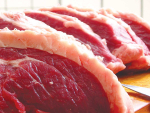
OPINION: There could hardly be a more appropriate theme for a conference than the one chosen by the red meat sector - Navigating Volatility.
New Zealand's red meat and fifth-quarter exports reached $867 million in August, up 23% on the same month last year, as stronger returns lifted earnings across all major markets.
Meat Industry Association data, released alongside the Red Meat Sector conference in Wellington, shows export value climbing across the US, China, UK and Canada.
A 'tsunami' of milk from key exporting countries is winding down and this may be good news for New Zealand dairy farmers.

High country stations, mixed sheep and beef farms, Māori-owned farms, corporates and family operations are among the nine commercial farms taking part in the Livestock Innovation Farming Transformation programme, known as LIFT.
OPINION: New health and safety guidance unveiled by the Government recently provides farmers greater certainty about what is expected of them when managing risks on farm.
The National Animal Welfare Advisory Committee (NAWAC) is seeking public feedback on proposed changes to the Code of Welfare for Rodeos.
A New Zealand initiative supporting farmers to restore the health of grazing landscapes has received international backing through the Regenerative Fund for Nature, a global collaborative fund supporting regenerative agriculture and the communities that produce natural fibres for the fashion industry.
Combine premium New Zealand products, blend in a family ritual and what do you get? A world-class functional drink.
Entries are now open across eleven regions for the 2027 New Zealand Dairy Industry Awards (NZDIA).