Massey Uses Portable Analyser to Measure Pasture Soil GHGs
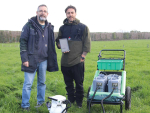
Researchers at Massey University are using a special piece of scientific equipment to improve the measurement of greenhouse gas emissions from pasture soils.
 increase font size
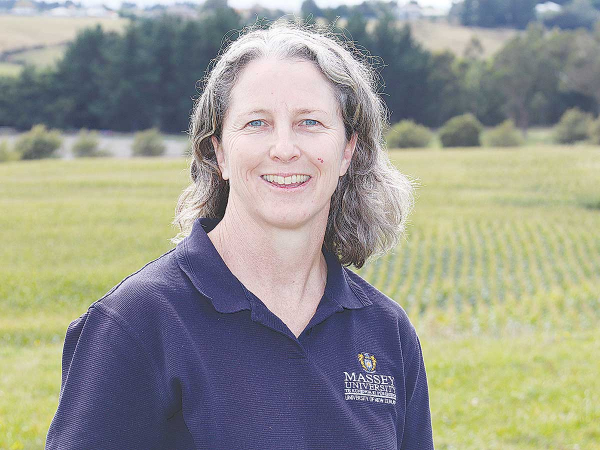 Senior research officer at Massey's School of Agriculture and Environmental Lucy Burkitt.
Demand for expertise in sustainable nutrient management, environmental planning and improved freshwater outcomes has seen Massey University's range of agricultural short courses pass the 4300-enrolment mark.
Massey says the courses are tailored to the needs of science, industry, policy and regulatory bodies concerned with primary production.
The first courses were in sustainable nutrient management and soil science, but other courses have been added along the way, such as Agricultural Green House Gas Emissions and Management and Farm Dairy Effluent: System Design and Management.
Senior research officer within the School of Agriculture and Environment, Dr Lucy Burkitt, says the popularity of the courses shows the significant contribution the university has made to improved environment management in New Zealand.
"There was a gap in people qualified in these areas, so we went about filling that gap. Now, we're sending people back to farms with training that will improve the sustainability of agriculture," she says.
Professor of dairy production systems Danny Donaghy, who has been instrumental in developing one of the courses, says the shorter format of the courses are part of their appeal.
"A lot of the people who enroll in our courses are working full time, so travelling to Palmerston North for a face-to-face course just isn't feasible for them. These course offer them relevant learning that can complement their current employment," he says.
Emeritus Professor Mike Hedley has been involved in initiating and continuing the delivery of Massey's short course offerings over the years. He says what's taught in the courses has become an essential skill base for New Zealand farmers.
"If New Zealand farmers are to meet the agreed future greenhouse gas emissions and freshwater regulatory requirements that industry bodies and government have recently agreed on, they need nutrient management and farm environmental planning skills," he says.
Researchers at Massey University are using a special piece of scientific equipment to improve the measurement of greenhouse gas emissions from pasture soils.

Interest in agritech and production animal systems has prompted Massey University's School of Agriculture and the Environment to new majors to its popular animal science degree.
The industry is crying out for graduates with agricultural related degrees.
A four year trial has reaffirmed that mixing plantain into dairy pastures can help reduce nitrogen losses to freshwater while maintaining milk production and profitability, say researchers.
Special courses for secondary school teachers to help excite kids about agriculture and horticulture are now being run at Massey University.



LIC shareholders have elected a new North Island representative to the co-operative's Board, along with five representatives to its Shareholder Reference Group (SRG), following the company's Annual Meeting held in Invercargill.
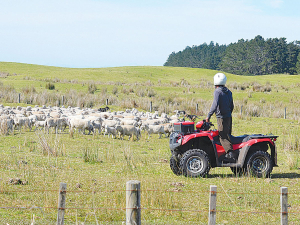
Farmers across parts of Southland and South Otago are continuing to deal with difficult conditions after a prolonged run of wet weather, with pressure building around feed supply, stock management, pasture damage, farm infrastructure and everyday workloads.
Federated Farmers says it welcomes Labour's commitment to reviewing the Sharemilking Agreements Act, calling on other major parties to do the same.
For Canterbury dairy farmers Sian Meijer and Rick Wobben, wearable technology has become one of their most valuable on-farm tools - helping manage 1850 cows across an expansive, high-performing dairy operation while improving efficiency, mating outcomes and day-to-day decision making.
Fonterra has unveiled its annual results for the 2026 financial year, posting $27 billion in revenue and close to $20 billion returned to New Zealand farmer owners and unit holders.
The first major update to the Dairy Cattle Code of Welfare in more than a decade has been released, marking what DairyNZ describes as an important step in ensuring animal welfare standards continue to evolve alongside scientific evidence and on-farm realities.