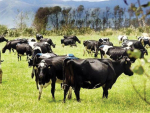
TB plan review to focus on possum hot spots
New Zealand is closer to eradicating bovine TB than ever before, but possums remain a threat, says Beef + Lamb New Zealand.
 increase font size
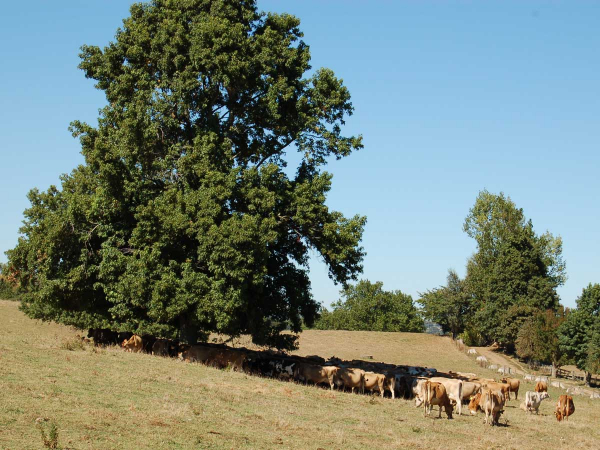
More than 43,000 animals have been tested to date as Ospri deals with a bovine tuberculosis (TB) outbreak in the Hawke’s Bay.
As at February 18, seven beef herd and one dairy herd were infected: one herd was cleared and 14 herds were under investigation. TB has been detected in 29 animals.
DNA strain-typing indicates the source of infection is from wildlife.
Agriculture Minister Damien O’Connor was told by Ospri that the outbreak resulted from the failure of a buffer zone on the edges of the existing movement control area.
“I’ve asked them to look at all the buffer zones in place right across New Zealand to ensure this won’t happen again,” O’Connor says.
Ospri chief executive Stephen Stuart says identification of disease is the TBfree programme in action.
“We will manage this cluster of infection and return Hawke’s Bay to TB-free status.
This week, Ospri is holding farmer meetings to update where things are at: farmers will also learn about possum control, movement control areas and getting help with NAIT.
O’Connor says the latest outbreak is disappointing.
“Flare ups have occurred from time to time and should not undermine the long term target of eradication across all New Zealand.”
New Zealand is closer to eradicating bovine TB than ever before, but possums remain a threat, says Beef + Lamb New Zealand.

As an independent review of the National Pest Management Plan for TB finds the goal of complete eradication by 2055 is still valide, feedback is being sought on how to finish the job.
The move to bring bovine TB testing in-house at Ospri officially started this month, as a team of 37 skilled and experienced technicians begin work with the disease eradication agency.
New Zealand's TBfree programme has made great progress in reducing the impact of the disease on livestock herds, but there’s still a long way to go, according to Beef+Lamb NZ.
OSPRI will carry out on-farm TB testing, following AsureQuality's decision not to renew their contract.


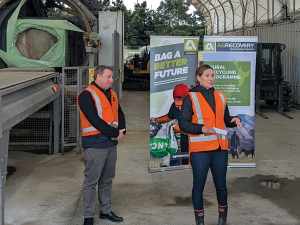
Environment Minister Nicola Grigg has announced details of a new rural plastics recycling scheme.
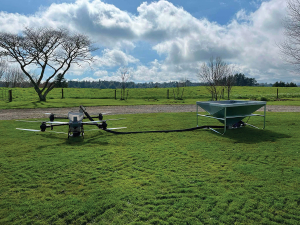
Agricultural drone operators say that a government decision to allow lower-risk drone work without certification won’t lower standards but drive innovation and efficiency.
OPINION: Warning bells are ringing in the arable sector.
Farmgate lamb prices are down by 8%, beef cattle by 4.5% and farm expenditure up by 4.2%.
Kiwifruit growers are watchful but remain optimistic as concerns around the potential effects of the El Niño weather pattern this season.
Almond hulls sourced from Australian orchards may have the potential to help New Zealand cows reduce emissions, boost milk yield and lower input costs.