Pāmu FY26 Report: Profit More Than Doubles to $113m
Pāmu has released its FY26 Integrated Annual Report, reporting a Net Operating Profit of $113 million, more than double the $49 million recorded in FY25.
 increase font size
 Long time between drinks: Sheep graze dry pasture a few kilometres west of Christchurch Airport in early December, on the day the airport weather station recorded its 46th consecutive day of no rain, bettering a record set in 1954.
The threat of a big drought is prompting Westpac to contact its farmer clients to see what help they may need.
Andrew Hill, senior manager of risk and strategy for agribusiness, says the bank is talking to farmers and their families who are under stress, to see what the bank can do now to help them personally, and to buy extra feed if needed.
“We will be… asking what contingency plans they have made,” he told Rural News.
“We are starting to hear about people talking about once-a-day milking and starting to look after their better-performing cows to try to maintain production and make sure cows recently mated don’t lose their calves.”
Hill says farmers early-on have been using surplus cash to repay debt. But he acknowledges that with the likely lower dairy payout less cash will be around and farmers must manage this well.
Meanwhile, Agriculture Minister Damien O’Connor says the ongoing dry is forcing hard decisions on more farmers and horticulturalists. Recent rains were insufficient; MPI is watching this and regularly updating him.
“Government acknowledges we are facing climate change,” he says. “Now all primary sectors must build more resilient systems to deal with the changes in climate that we have experienced in the last few years.”
O’Connor says on his own patch, the West Coast, the lack of rain is challenging farmers.
This is backed up Rebecca Keoghan, who runs Landcorp farms on the West Coast and is a director of Westland Milk Products. She describes the situation as “hideous”.
“People are saying it’s a green drought, but we are actually in the midst of a brown drought now because there is no grass anywhere in the region. What little rain we have had won’t be enough to make a change. I suspect part of our season is lost; I don’t think we’ll recover from it unless we get a decent rain.”
Keoghan says Landcorp has been planning a drought strategy for about 18 months and is well prepared to cope. She says the Coast has gone from the wettest winter in 40 years to the driest summer in 40 years.
Pāmu has released its FY26 Integrated Annual Report, reporting a Net Operating Profit of $113 million, more than double the $49 million recorded in FY25.

Westpac NZ is calling on farmers and growers to start preparing now for the possibility of a dry summer, as likely El Niño conditions raise the risk of drought across parts of the country.
A partnership between state-owned enterprise Pāmu (Landcorp Farming Limited) and charity Meet the Need is putting more than quality New Zealand beef into food bank parcels this year.
State farmer Pamu has delivered its strongest operating result on record.
State farmer Pāmu (Landcorp) has announced it will pay a $10 million special dividend to the Crown off the back of a strong outlook for the business and a capital repayment of $9.5 million following Fonterra's consumer business sale.



Entries opened on Monday, 5 October 2026 for the 2027 New Zealand Dairy Industry Awards (NZDIA), which organisers describe as the nation's biggest celebration of excellence in the dairy sector.
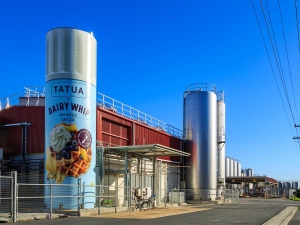
Waikato milk processor Tatua has again declared a record milk payout to farmer shareholders, leaving other processors in the dust.
A Labour-led Government won’t be bringing back the controversial freshwater rules of 2020.
National’s much-touted free trade deal with India featured in the Rural Issues Debate at Mystery Creek, Hamilton on Wednesday night.
New Zealand's 2026-27 freshwater fishing season has opened, with anglers encouraged to head to rivers and lakes over the coming days as conditions look favourable across much of the country.
Central Otago District Council (CODC) has voted against a plan to spread treated sewage sludge from Cromwell and Alexandra on farmland near Lauder, a decision Federated Farmers says reflects strong opposition from rural residents.