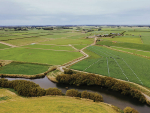
McRae Wins Southern South Island B+LNZ Director Vote
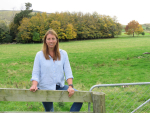
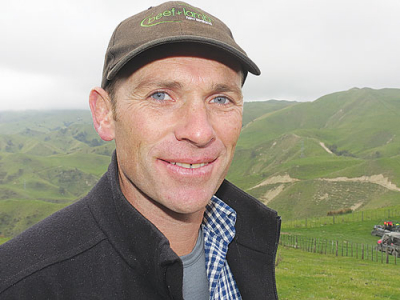
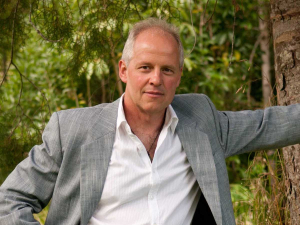
Matt McRae, a farmer from Mokoreta in Southland who runs a sheep, beef and dairy support business alongside a sheep stud, has been elected to the Beef +Lamb NZ Board as a farmer director.
 increase font size
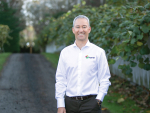
 James Parsons.
“There is absolutely no question that Brexit is something we are focused on,” says Beef + Lamb NZ chairman James Parsons.
“There are a lot of factors in how this thing can play out,” he told the recent Agcarm conference in Auckland.
“We are watching this closely. We have staff based in Brussels and we are looking at having more of a footprint up there. While there is risk, there is also opportunity. We are [intent on] preserving our current interests.”
Parsons also chairs the NZ Meat Board, a slimmed down version of the old Meat Board. It looks administration of our sheepmeat quota into the EU, our beef quota into the US and a very small, high-quality beef quota into the EU – about 1300 tonnes.
The sheepmeat quota is 228,000 tonnes, so the EU takes 50% of NZ’s sheepmeat exports, a significant portion of which the UK takes about half.
He says there is a bunch of scenarios as to how this could play out.
The European Union and UK – in its own right – are members of the World Trade Organisation (WTO). The sheepmeat deal done years ago was compensation for UK entering the European Community.
“Under the WTO, they have an obligation to honour that agreement. So it is not just a case of the EU or the UK saying ‘you can’t have it anymore’. It is ours by right,” Parson says.
“If the UK leaves the EU and isn’t part of their customs union, there needs to be compensation to NZ. Between the EU and the UK they need to work out some arrangement. And if they don’t come up with something satisfactory to NZ’s interests we will take them to the WTO to look for compensation.”
He says this quota is worth over $1 billion to the NZ economy which is “massive” in terms of our economy.
“That would be a lot less money floating around rural communities. It makes it challenging for a lot of hill country to make it viable. We would have to find alternative markets, etc.
“It is not going to come to that, but how this plays out will be quite interesting,” Parson adds.
“If you look at Ireland, for example, it is feeling threatened by this because the inter-EU trade in sheepmeat is significant, so Ireland actually sells about 50% of its lamb to the UK and also beef.
“Ireland is a big player in beef: it produces a similar amount to NZ. The UK exports about 30% of its sheepmeat to the EU. NZ supplies lamb in the off season; they would struggle to keep lamb on the shelves 12 months of the year.”
Matt McRae, a farmer from Mokoreta in Southland who runs a sheep, beef and dairy support business alongside a sheep stud, has been elected to the Beef +Lamb NZ Board as a farmer director.
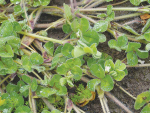
Recent widespread autumn rain will have triggered the germination of subterranean clover seeds, and the resulting seedlings should be allowed to reach the 3–4 trifoliate leaf stage before grazing, says Beef+Lamb NZ.
A hub farm in each of Beef + Lamb NZ’s seven regions and more focus groups are being rolled out for the red meat sector this year.
The red meat sector is poised for a strong rebound this season, with export receipts forecast to top $10 billion and farm profitability to almost double.
Progeny testing at Pāmu’s Kepler farm in Southland as part of Beef + Lamb New Zealand’s Informing New Zealand Beef programme is showing that the benefits of hybrid vigour could have a massive impact on the future of beef breeding.


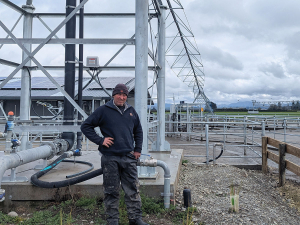
Converting a longstanding cropping farm to dairy was the only way to ensure the land stayed in the family long term, says new dairy farmer Rod May.
As the election heats up, Organics Aotearoa New Zealand (OANZ) has launched its election scorecard designed to help voters wanting to support policies that grow organic and New Zealand's organic sector.
A 'tsunami' of milk from key exporting countries is winding down and this may be good news for New Zealand dairy farmers.
Will the good times last? That's one of the key issues to come out of the latest Federated Farmers confidence survey.
Outgoing Fonterra Co-operative Council chair John Stevenson says that it has been a privilege to represent the co-op's farmer shareholders.
Have a plan in place for your cows and staff.