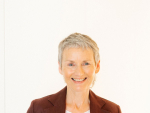
Ravensdown Elects Montgomery, Acland to Board
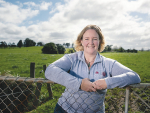
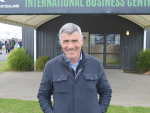
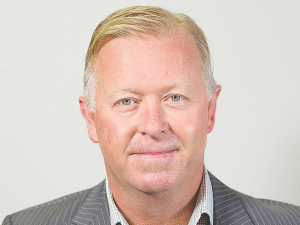
Ravensdown shareholders have elected Jane Montgomery and Kate Acland to the Ravensdown Board for three-year terms, following a closely contested director election.
 increase font size
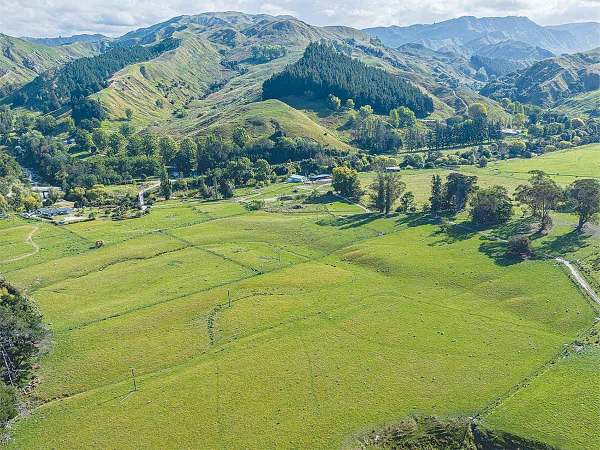 More than 260,000ha of sheep and beef farmland were purchased for conversion to forestry between 2017 and 30 June 2024, says B+LNZ.
The chair of Beef + Lamb NZ, Kate Acland says the rush appears to be on to purchase farms and convert them to forestry before new rules limiting this come into effect.
She says she’s not sure that even the new rules go far enough, and her organisation is closely monitoring the situation.
This issue has resurfaced in a report by the Parliamentary Commissioner for the Environment (PCE) that says current government policies are driving a wave of land-use change to carbon forestry. His report says settings under the Emissions Trading Scheme (ETS) pose significant environmental, economic and social risks.
Acland says her organisation has been hugely concerned about wholesale land-use change for a long time and advocating for action from successive governments.
“The PCE has called this out for what it is – not simply a sheep and beef issue, but a fundamental issue that New Zealand as a country needs to address,” she says.
Acland says the impact on our farmers is huge and disproportionate. She notes that the total amount of sheep and beef farmland purchased for conversion to forestry between 2017 and 30 June 2024 was more than 260,000 hectares.
“For every 100,000 hectares planted, close to one million stock units are lost. Those lost stock units equate to lost export earnings, but also to significant negative impacts on rural businesses and communities and our iconic farming landscapes.
“While the Government has introduced some limits around entering certain land classes into the ETS, we still have concerns about the implementation of these limits,” she says.
Acland says based on modelling done by the Climate Change Commission, the country is on track to afforest more than 900,000 hectares of land between now and 2050, mostly in exotic trees.
“That’s a staggering number,” she says.
Acland says although there is merit in the PCE recommendation to phase out or reduce forestry offsets for fossil fuels, B+LNZ is concerned about the PCE’s recommendation of a ‘biogenic methane’ trading scheme and is firmly against a price on agricultural emissions, particularly as we’re on track to meet the current targets.
“Our analysis indicates that our sector has already reduced its methane emissions by 10 percent since 2017 as a result of stock reductions from existing afforestation, with forecast future plantings almost certain to cause further significant stock reductions. A price on agricultural emissions or a biogenic methane trading scheme aren’t necessary or justified,” she says.
Ravensdown shareholders have elected Jane Montgomery and Kate Acland to the Ravensdown Board for three-year terms, following a closely contested director election.
Beef + Lamb New Zealand (B+LNZ) says it welcomes the passage of the Natural Environment Bill and Planning Bill, calling the bills a positive step for sheep and beef farmers.
As farmers begin thinking about establishing next year’s winter forage crops, Beef + Lamb NZ is encouraging farmers to carefully consider what crops they are planting and where.
Farmgate lamb prices are down by 8%, beef cattle by 4.5% and farm expenditure up by 4.2%.
Red meat farmers are welcoming Labour’s plan to review the Emissions Trading Scheme and not to campaign on pricing agricultural emissions.


Federated Farmers has welcomed new rural policies released by ACT, saying they align closely with its own election priorities.
Rural Contractors NZ says proposed changes to land transport rules for agricultural vehicles are a welcome response by the Government to out of date regulations which have seen members hit with huge fines.
Alliance is calling for final applications for its 2027 Graduate Programme, with applications closing on Sunday 25 October.
Decades piloting planes has ensured vet and farmer David Hayes is focused on safety. So, after a serious accident while welding on farm, he is sharing his experience so others can learn from it.
Canterbury milk processor, Synlait Milk has confirmed Leon Fung as its chief executive officer.
OPINION: Making it easier to collect rainwater and use it to grow crops and livestock is a no brainer.