Blueberries Could Be NZ's Next $150m Horticultural Export
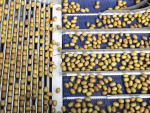
Blueberries have the potential to become a major horticultural export, earning up to $150 million within the next three to five years.
Zespri has begun a search for get some of the world’s top innovators and thinkers and has set aside more than $2 million to achieve this.
Called the ZAG innovation fund, the purpose is to attract innovative problem solvers from around the world to partner with Zespri to help them keep pace with an ever changing world.
Zespri chief executive Dan Mathieson says the pace of change is rapid right across the horticultural and primary sectors and it is becoming more challenging to grow a stable supply of great quality kiwifruit.
He says Zespri recognises that it’s facing some significant challenges and to overcome these it needs some of the best thinkers and innovators in the world.
“We need to tap into people and companies who can bring new technologies and ideas to help us accelerate our process to find solutions to some of these challenges – especially around climate change, fruit quality packaging, worker welfare and health and nutrition.”
Mathieson says while Zespri has done very well in this space in the past, it recognises that it has to do better. With that in mind he says it wants to partner with the best companies and people in the world who can find solutions and generate new ideas and technologies that will benefit the kiwifruit industry and the wider horticulture sector.
Testing confirms H5 bird flu in a single northern giant petrel, found dead on a remote Cape Palliser beach in the Wairarapa, says Dr Mary van Andel, the Ministry for Primary Industries' (MPI) Chief Veterinary Officer.
"What's for dinner?" may sound like a simple question, but for many Kiwi parents, answering it has become a job in itself.
Fifty Eight years ago, on the 16th of August 1968, August Claas, the founder of the harvesting company and father of Helmut Claas, personally presented a Claas Senator combine harvester to Scottish farmer John Steven.
New Zealand consumers are paying more for beef mince than ever before, with the average retail price now sitting above $24 per kilogram, according to Rabobank.
State farmer Pamu has delivered its strongest operating result on record.
Four years since it was first detected in New Zealand, researchers and growers now know much more about management of maize pest fall armyworm (FAW).

OPINION: The same mainstream media muppets that brought you Jacindamania in 2017 have been flat out pimping for the Opportunities…
OPINION: Your old mate reckons the atrocious way farmers in the UK are treated by their lords and masters in…