According to a progress report on the Aotearoa Horticulture Action Plan (AHAP), New Zealand's horticulture sector is making real progress on the big issues facing growers.
The AHAP aims to double horticulture’s farmgate value by 2035 through five priorities: growing sustainably, optimising value, strengthening Māori horticulture, using science and knowledge, and nurturing people.
The progress report, released at the New Zealand Horticulture Conference in Wellington today, shows those priorities are now translating into action, with work underway to improve water security, reduce red tape, open up market opportunities, strengthen the workforce, support Māori horticulture and back better science and innovation.
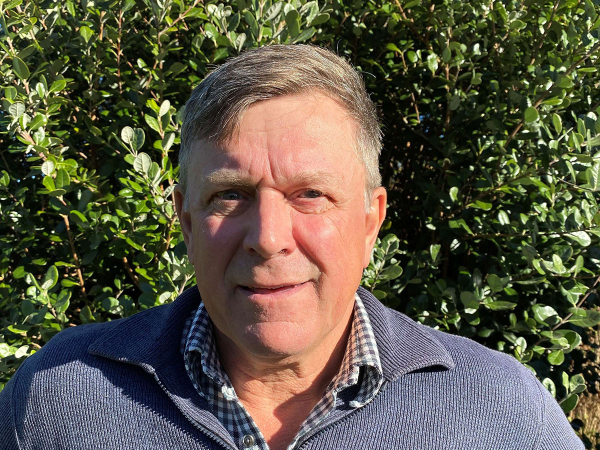
AHAP chair Andrew Gibbs says the next job is to build on this progress and turn it into outcomes that help boost farmgate returns.
“The past year marks an important transition for the Aotearoa Horticulture Action Plan, from laying the foundations to building genuine momentum in delivery.
“Across the country, more organisations are aligning their work with AHAP priorities. This is starting to create scale, moving us from a collection of good ideas to a coordinated programme of action across the sector. Together, we are creating a self-perpetuating horticulture movement.”
The report shows AHAP is turning shared priorities into practical work on the ground.
Examples include work to support regional water storage projects, speed up approval pathways for crop protection products, reduce duplication in grower assurance, provide practical guidance for managing nutrients and sediment in horticulture operations, support smaller product groups such as passionfruit, tomatoes and citrus to build scale, and pilot the Whānau Moana Nui framework to strengthen support for RSE workers and employers.
Gibbs says the coordinated approach is essential because many of the challenges facing growers cannot be solved in isolation.
“For growers, this matters. It means more aligned investment, better use of limited resources, and a clearer pathway from issue to initiative to outcomes.
“The biggest constraint we face is not ideas, it is capital. Bridging the gap between early-stage initiatives and investment-ready projects will be critical if we are to move from momentum to scale.”
The progress report says growers continue to operate in a tough environment, including weather events, cost pressures, labour constraints and uncertain markets.
Despite this, engagement with AHAP remains strong, reflecting a shared recognition that the sector needs a coordinated, system-wide response.
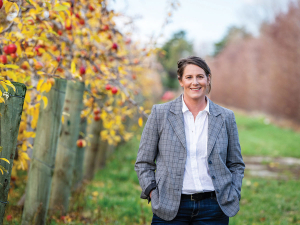
HortNZ chief executive Kate Scott says the conference provides an opportunity to build on the progress on AHAP and keep the sector focused on practical outcomes.
“AHAP only works if the sector continues to back it. The conference is a chance to bring growers and partners together, share what is working, identify where more support is needed, and keep building the momentum required to grow a prosperous and sustainable horticulture sector for New Zealand.”