Trials show promise for regenerative farming
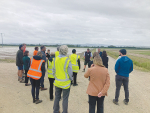
Regenerative farming trials in Gisborne, in partnership with Woolworths, LeaderBrand, and Plant & Food Research, are uncovering promising opportunities for sustainable vegetable farming in New Zealand.
 increase font size
 Woolworths has launched its milk label in Queensland, irking local dairy farmers.
Queensland farmers are deriding as “smoke and mirrors” the claims made by supermarket chain Woolworths.
The company claims that its Farmers Own milk brand, now on sale in 194 stores in the south of the state, are benefiting farmers and consumers.
The milk will be sourced directly from two farms in the Sunshine Coast hinterland.
It follows the launch of the Farmers’ Own brand in NSW, with milk from Manning Valley dairy farmers; in Western Australia, sourced from Margaret River; and in Victoria, sourced from the Otways region.
Woolworths head of trade - chilled, Paul Turner, says the product has “proven to be great for farmers and for Woolworths, but most importantly customers have shown they love it”.
“Local varieties [of Farmers’ Own] in other states have been extremely popular and we know it’ll be just as popular here in southern Queensland.
“At this stage, the milk will be available as far north as Rockhampton. We’re looking for a local farmer and processor in Far North Queensland to serve our customers in that area. The whole idea of Farmers’ Own milk is to support local farmers so we are working hard to cover the whole state.”
Queensland dairy farmer John Cochrane chairs the Premium Milk group which collectively bargains on behalf of dairy farmers to supply Parmalat.
“We approached Woolworths and would have liked them to have taken milk from all the Premium group and given some sort of margin to 200 people,” he told ABC Radio.
“We all understand this is a smoke and mirrors thing. The real problem is the price of milk. On January 26, 2011, milk went from A$1.28/L to $1, not because of oversupply or poor quality or customer rejection, but because they could do it.
“Now, A28 cents/L [times] 2 billion L of milk in Australia [took] A$560 million out of the industry in one day.”
He said Woolworths uses the “divide and conquer rule” but this does not benefit the
dairy industry in any state.
Dairy farmer Lucas Kennedy, Conondale, one of the two Queensland farmers to supply the Farmers’ Own brand in Queensland, said the relationship “gives farmers end-to-end transparency from shed to shelf, a long term contract and a closer relationship with their customers”.
Kennedy told ABC Radio the deal gave him more negotiating power when setting a price, which is locked in for three years. He could not disclose how much he is paid per litre, but said the deal was better than those offered by the big processors.
Regenerative farming trials in Gisborne, in partnership with Woolworths, LeaderBrand, and Plant & Food Research, are uncovering promising opportunities for sustainable vegetable farming in New Zealand.
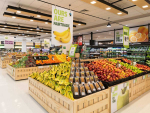
One of the country’s two largest supermarket chains is reporting that for the first time since the disruption of Covid, they have largely full supply on almost all fruit and vegetables grown locally.
Tropical cyclone Debbie caused A$6 million damage to the Queensland dairy industry, the Queensland Farmers Federation says.
The Australian Competition and Consumer Commission (ACCC) has begun action against Woolworths.
Far North Queensland dairy farmer Dennis Byrnes expects a new effluent irrigation system to pay off in a variety of ways.


Federated Farmers says it welcomes Labour's commitment to reviewing the Sharemilking Agreements Act, calling on other major parties to do the same.
For Canterbury dairy farmers Sian Meijer and Rick Wobben, wearable technology has become one of their most valuable on-farm tools - helping manage 1850 cows across an expansive, high-performing dairy operation while improving efficiency, mating outcomes and day-to-day decision making.
Fonterra has unveiled its annual results for the 2026 financial year, posting $27 billion in revenue and close to $20 billion returned to New Zealand farmer owners and unit holders.
The first major update to the Dairy Cattle Code of Welfare in more than a decade has been released, marking what DairyNZ describes as an important step in ensuring animal welfare standards continue to evolve alongside scientific evidence and on-farm realities.
Ravensdown shareholders have elected Jane Montgomery and Kate Acland to the Ravensdown Board for three-year terms, following a closely contested director election.
Federated Farmers says new legislation replacing the Resource Management Act will cut red tape, unlock investment and help grow New Zealand's export-led economy, after the Planning Bill and Natural Environment Bill passed their third reading in Parliament yesterday.