As the season draws to an end for spring calving systems, increased attention and planning should be focused on next season.
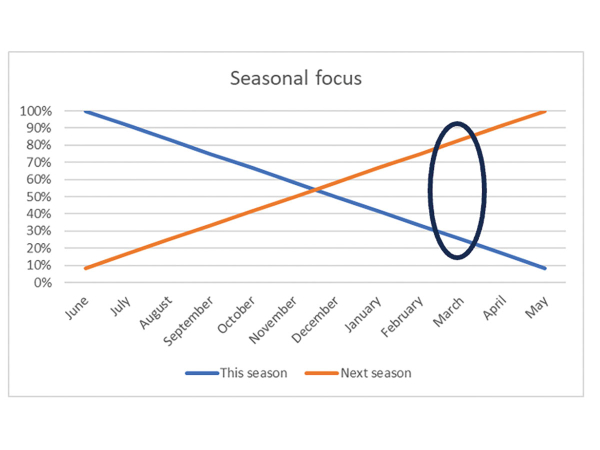
Figure 1 is a concept that demonstrates the shift in focus from the current season to next season, for a traditional spring calving system – i.e. in March, approximately 20% of your focus should be on the current season and 80% on next season. So, what key actions you can take at this time of year to help ensure next season is a success?
Develop a feed plan to achieve critical targets
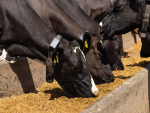
Body condition score (BCS) and pasture cover targets at calving should be considered non-negotiable, as they are critical to getting next season off to a good start. Known BCS targets are 5.0 for mixed age cows and 5.5 for first and second calvers, and well-fed dry cows typically gain 0.5 BCS/month up to 1 month prior to calving, although, we often see farmers achieving faster gains in BCS when supplementing with maize silage in the diet.
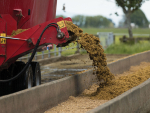
Optimum pasture cover targets at calving vary depending on stocking rate and calving date, but typically the target is 2200-2500 kgDM/ha. With these targets in mind, develop a feed plan to help set dry off dates, allocate available feed (pasture and supplements) and to ensure that enough stored feed is retained post calving. If you do not have sufficient feed on hand to meet your targets, there might be an opportunity to purchase additional maize silage.
With good maize growing conditions in many parts of the country it is possible that your grower/contractor may have additional maize to sell.
Review current performance and set new targets
This is an ideal time to review the key farm performance indicators (KPI’s) important to your business, and to capture lessons learned from the current season while they are still fresh in your mind.
Benchmarking KPI’s against similar systems within your region will help identify where you are performing well and where there are opportunities for improvement. Your milk supply company, breeding company and annual accounts are good sources of physical, environmental, and financial KPI’s. Often a change or improvement in one area of your business can have an impact on another. So, it may be useful to use a trusted advisor to help interpret the information, understand possible implications, and convert these into actionable changes to achieve the results you are after.
Consider market trends and new regulations
Do your research to stay informed about external drivers which may affect your future farm system, e.g. projected milk price, input prices and any regulatory changes on the horizon. A farmer I know who does this well once quoted former professional ice hockey player, Wayne Gretzky, “A good hockey player plays where the puck is. A great hockey player plays where the puck is going to be”. In farming terms this means developing a view of where the market is heading to allow you to adapt and refine your system each year accordingly.
This time of the season is a great time to reflect on the current season and take a good look at potential improvements to your farm system. Ask your farm consultant for help or alternatively contact us at pioneer.nz. Our Farm Systems specialists Wade Bell and Matt Dalley are there to help and we are only a phone call away.
Wade Bell is Genetic Technologies farm systems manager. Contact him at This email address is being protected from spambots. You need JavaScript enabled to view it.
https://www.pioneer.co.nz/