Inside the Southland Dairy Farm Where Robots and Pasture Work Together
In Dacre, near Invercargill in New Zealand’s South Island, Bruce Dinnington is running a dairy operation unlike any other.
 increase font size
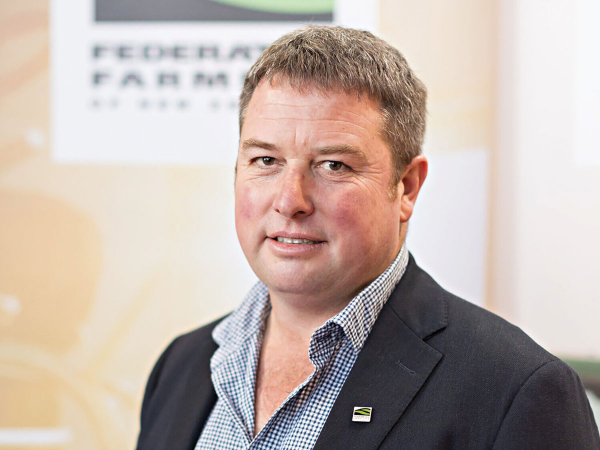 New Feds Southland president Chris Dillon.
Southland farmers staring down a May deadline to submit freshwater farm plans under current regional plan rules have been given an 18-month reprieve by the Government.
The Southland Water and Land Plan (Regional Plan) currently requires farmers to prepare and submit a farm plan by 27 May 2026 before improvements to the national freshwater farm plan system are finalised.
However, last week Cabinet decided that Southland farmers and growers will now have until the end of November 2027 to submit their farm plan and benefit from the updated system.
The extension makes sure Southland farmers remain compliant with the regulations.
Southland Federated Farmers president Chris Dillon told Dairy News that the government announcement is "a big relief" for the regions 3400 farmers.
"The extra time will mean national and regional farm planning systems are well aligned to avoid duplication and unnecessary costs to farmers," Dillon says.
Associate Agriculture Minister Andrew Hoggard says the announcement gives farmers the clarity they deserve.
"Southland farmers were staring down a May 2026 deadline to submit farm plans under the current regional system," says Hoggard.
"That would have meant wasting time and money on a whole lot of complex paperwork that simply won't be needed under our updated national rules. That is the definition of pointless bureaucracy."
Hoggard says farmers' efforts wouldn't go to waste.
"We are bringing in a new, improved national system. This extension ensures farmers won't spend time and money complying with old rules when better ones are on the way."
The Government is introducing a slimmed-down system that strips back the most frustrating parts, like overly bureaucratic land blocking and mapping, according to Hoggard.
He says the new legislation will deliver clear expectations.
"We are clarifying exactly what farming activities need a certified plan, cutting out the fluff.
"Farmers should be out on the land producing world-class food and fibre, not stuck at the kitchen table trying to decipher red tape. We're getting the rules sorted and getting Wellington out of the way."
Environment Southland chair Jeremy McPhail says the extension gives farmers and growers more time to finalise strong farm plans and make good use of the support available as the updated national settings are finalised.
"Farm plans remain an important part of improving freshwater outcomes, and this extension gives farmers extra time to continue developing plans that are practical, well-informed and tailored to their property and catchment.
"Farm plans are here to stay, and most farm operations in Southland will still need one."
McPhail says Environment Southland had supported the need for farm plans for a long time as a way for farmers to demonstrate environmental responsibility and increase the uptake of mitigations.
"These are one of the key tools in Southland for improving water quality across our catchments."
He said farm plans remain an important tool for identifying practical actions on-farm, reducing environmental risk, and driving year-on-year environmental improvements.
In Dacre, near Invercargill in New Zealand’s South Island, Bruce Dinnington is running a dairy operation unlike any other.
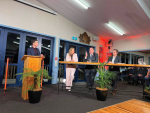
It was billed as a chance for all the political parties to woo the rural vote, but question marks hang over just how effective this was.
Mid Canterbury Federated Farmers arable chair, Bevan Lill, said Beef + Lamb NZ data indicated that for the last six years, the average arable return on investment was about 0.8% while inflation ran about 4% - so the average arable farm was going backwards at about 3% a year.
For the first time in a quarter of a century, Federated Farmers has something positive to say about the Labour Party’s climate change policy leading into a general election.
Rural leader Mark Hooper has been appointed as an independent director to the NZPork board, bringing extensive farming, governance and advocacy experience to the role.


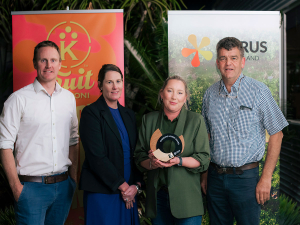
New Zealand's citrus growers were challenged to build their future on the value embedded in their fruit rather than the volume they produce, at Citrus New Zealand's annual gathering in Gisborne on 17 September.
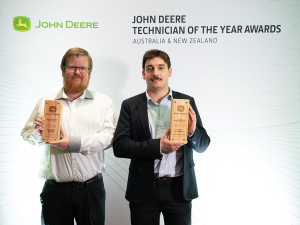
Leading John Deere technicians and apprentices from New Zealand and Australians were recognised at the recent sixth annual JD Technician of the Year Awards, held in Brisbane.
In Dacre, near Invercargill in New Zealand’s South Island, Bruce Dinnington is running a dairy operation unlike any other.
A free online platform aggregating governance vacancies across rural and regional New Zealand has been launched.
Environment Minister Nicola Grigg has announced details of a new rural plastics recycling scheme.
Agricultural drone operators say that a government decision to allow lower-risk drone work without certification won’t lower standards but drive innovation and efficiency.