Farm Worker Appreciation Day: Thanking NZ's Dairy Teams
OPINION: Today marks Farm Worker Appreciation Day – a day we’re proud to recognise here in New Zealand.
 increase font size
 Jenny Jago.
DairyNZ has endorsed a raft of new animal welfare regulations on various procedures such as castration, docking and debudding, and stock transport.
Approved by Cabinet at the end of March, the rules will strengthen New Zealand’s animal welfare system, said the Associate Minister of Agriculture responsible for animal welfare, Meka Whaitiri.
“These regulations will have a significant effect on the humane treatment of our animals,“ she said.
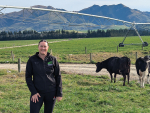
DairyNZ strategy and investment manager Jenny Jago said the new regulations are a positive move.
“NZ is already recognised as having a strong reputation for animal welfare and these regulations will further strengthen the framework that underpins this.
“Cows and people are the heart of every farming business and the majority of dairy farmers take real pride in their herd’s care and how farming practices are undertaken onfarm. Many dairy farmers are meeting these regulations now.
Jago said the new rules align with the aim of having NZ farmers world leading in onfarm animal care.
Meka Whaitiri said most animal welfare offences are not very serious and may not warrant a prosecution under the Animal Welfare Act. So the new regulations introduce penalties and fines to deal with such offences.
“For example, people who leave distressed dogs in hot cars will be liable for a $300 fine and people can now be fined where sick or injured farm animals are transported to slaughter plants,” she said.
“These regulations were developed during three years work by industry and advocacy groups, and after formal public consultation. Over 1400 submissions were received and analysed, and most supported the regulations.
Pain relief
The main regulations for cattle include:
Trucking: animals with ingrown horns or horn injuries, lame animals, animals with injured or diseased udders and with advanced cancer eye will not be acceptable for trucking unless a veterinarian has provided a certificate.
Tail docking: nobody may shorten or remove the tail of any cattle beast.
Castration: when castrating or shortening the scrotum of a bull over the age of six months, pain relief must be used (for any method of castration). If high tension bands are used to castrate an animal, local anaesthetic must be used to provide pain relief (at any age).
Disbudding: pain relief required at all ages.
Dehorning: pain relief required at all ages
Assisting calving cows: no use of traction with a moving vehicle, motorised winch or any other device that does not allow for the quick release of tension.
Other regulations cover cattle with ingrown horns, prohibited methods of milk stimulation, a minimum weight for the use of electric prodders and approved methods of castration.
Most of the regulations come into force on October 1 this year, except for the pain relief requirements for disbudding and dehorning cattle which come into effect in October 2019.
OPINION: Today marks Farm Worker Appreciation Day – a day we’re proud to recognise here in New Zealand.

OPINION: Mike Chapman, former chief executive of levy-funded HortNZ, has thrown out a challenge to farmers and growers to put their levy-funded industry organisations under the same scrutiny as fertiliser, electricity, labour and freight.
Signing up to a benchmarking tool is not about competition, but about improving collectively, says Ximena Puig and Alvaro Luzardo who are 50-50 sharemilkers at a 164-hectare (effective) dairy farm in Eketāhuna in the Lower North Island.
OPINION: It's no surprise that "world-class biosecurity" continues to dominate as the top priority for agribusiness leaders, holding the number one spot for the 16th consecutive year in KPMG's latest agribusiness report.
DairyNZ says Waikato farmers need certainty on Plan Change 1, but they say that certainty must be matched with practical, workable rules and a clear transition that doesn't get ahead of the new resource management system currently under review.



The avocado sector is entering the new season with a larger crop and positive market opportunities.
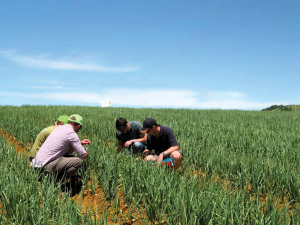
New Zealand growers have always adapted to changing conditions, but one challenge is steadily gaining ground across the horticulture sector: resistance.
Blueberries have the potential to become a major horticultural export, earning up to $150 million within the next three to five years.
Twenty five secondary school students from around New Zealand recently completed a three day residential programme designed to explore career opportunities across the food and fibre production supply chain.
Conversions of sheep and beef farms to forestry have slowed, however new research from Beef + Lamb New Zealand (B+LNZ) suggests land of value for food production remains at risk.
OPINION: A simpler, clearer, more effective Recognised Seasonal Employer (RSE) scheme.