As Mycoplasma bovis (M. bovis) resurfaces in Canterbury, CRV is reassuring dairy farmers it has rigorous production processes and health testing programmes in place within its supply chain.
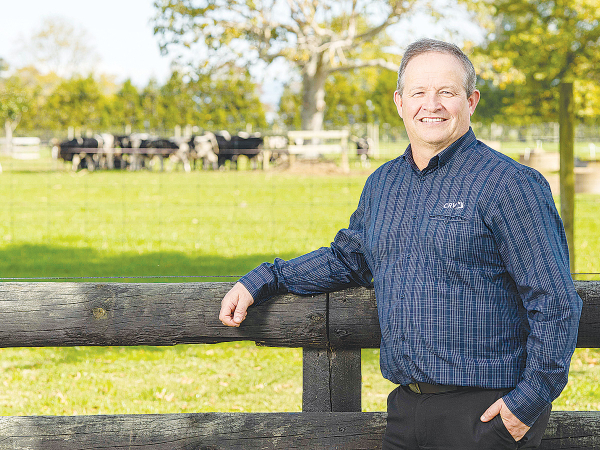
The company's operations manager Andy Medley says farmers put a lot of trust in CRV to help them protect the health and well-being of their animals.
"It's a responsibility we don't take lightly. That's why we have strict quality assurance testing in place to make sure we minimise any risk against diseases like M. bovis and give farmers peace of mind."
In the latest update, the Ministry for Primary Industries M. bovis programme announced it has cleared a property and identified a new active confirmed property.
"Although this new case means there is currently only one farm known to be infected, we are halfway into a 10-year programme and it is likely more infected properties will be identified before eradication is achieved," MPI says.
The new confirmed infected property neighbours a property with strong links to the Wakanui cluster in mid-Canterbury.
MPI says the programme is continuing to investigate the infection source and is working with the farmer to depopulate the property in a way which minimises disruption as much as possible.
"As a result of the new infected property, the programme will also be tracing animal movements and other risk events. This will likely see an increase in the number of farms under movement restrictions while the programme ensures the risk of disease spread is mitigated."
MPI is also urging farmers to contact their semen supplier if they are planning to use bovine semen imported into New Zealand before April 2022.
Changes were made to protocols in April last year which requires all imported semen to be treated with antibiotics and tested to minimise the risk of M. bovis.
CRV says it recently obtained another three-year Telarc certification for the collection, processing, freezing and storage of bovine semen.
"This demonstrates we are working to globally recognised quality assurance standards," says Medley.
"The biosecurity standards at our EU approved production and logistics facility in the Waikato are some of the highest in the country. All our bulls undergo a number of disease tests while in a secure quarantine location."
As a global leader in dairy genetics, CRV does import semen for some customers who want to use overseas genetics to fast track their herd's genetic gain.
"These products go through an even more rigorous quality assurance process than those produced in New Zealand," says Medley.
"Following the initial M. bovis outbreak in 2017, we have continued to test all batches of semen for M. bovis in the country of origin."
Medley says while CRV can provide the necessary assurances to its customers concerning the semen products it supplies, he encourages farmers to continue to take all the precautions they would normally take when managing biosecurity within their own farming operations.