Say nothing!
OPINION: Normally farmer good organisations are happy to use the media to get their message across to politicians and the consumers.
 increase font size

I GOT a chance to look through the Great New Zealand Science Project website the other night.
Plenty was being said about what farmers should be doing about water quality. Much of it was the usual ‘blame-farming-not-cities’ comment, although there were also some interesting suggestions about getting people from towns and cities out to farms to contribute towards the funding and labour of fencing off streams.
Until I added my two cents, nothing was being discussed about the need for urban areas to take responsibility for their share of waterway pollution. It would be great if more farmers could take a few minutes to go online and help dispel some of the myths about water quality.
This website has been created to get feedback from the general population about what they would value in respect of government spending on scientific research over the next few years. I have asked for more research to understand nutrient pathways and more education for the general population on what everyone, rural and urban, can do to reduce pollutants reaching our waterways.
We need to have a greater understanding of what is polluting all our rivers and I am interested in discovering more about the effects of urban sewage treatment on them. It would be good to have some definitive answers about what sewage-treatment processes remove and what they do not and also look at where this treated waste ends up, which all too often is in rivers or in the sea.
Perhaps part of the reason so few comments are being made in online forums by farming organisations is because of the huge amount of work being done to actually find solutions for our industry.
One example is DairyNZ’s work on the Strategy for Sustainable Dairy Farming. This strategy for the industry is undergoing a complete refresh and overhaul, with some help from Federated Farmers Dairy, the Dairy Women’s Network and the Dairy Companies Association of New Zealand.
One of the main points to come from the review has been to reiterate that sustainability means getting all aspects of the industry working well. This ranges from the economic side of things, to the social and cultural aspects, as well as looking at how to minimise and mitigate environmental impacts.
It is vital dairy farming’s first priority is to remain competitive on a world stage by producing safe, high-quality dairy products at a good, competitive cost. It is equally vital the industry is responsible for the wider environmental, animal welfare and people-related outcomes of dairy farming. Dairy farming must work for all New Zealanders.
The strategy review is ongoing and those who are interested can have a look at dairynz.co.nz
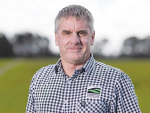
• James Houghton is Federated Farmers Waikato president.
OPINION: Normally farmer good organisations are happy to use the media to get their message across to politicians and the consumers.
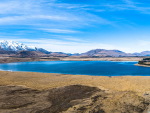
Hundreds of water samples taken from Ōtūwharekai Ashburton Lakes and streams over the past year confirm that water quality remains a concern, according to Environment Canterbury.
Politicians are promising to improve water quality within five years.
Submissions are now open on a variation to the plan to improve the health of the Waikato and Waipa rivers.
MinisterEllisonRuddWatts legal experts Rachel Devine and Kathy Wilson summarise two main policy documents on freshwater management being considered by the Government.


The Envrionmental Protection Authority (EPA) has welcomed the deicsion by the Environmental Law Initiative (ELI) to withdraw its appeal of the High Court's decision confirming the Authority had acted lawfully when deciding not to reassess glyphosate.
Horticulture New Zealand (HortNZ) is inviting applications for scholarships places on its 2026 Leadership Programme.
More than 640 dairy farmers and industry leaders gathered together at Rotorua's Energy Events Centre on Saturday night to celebrate the New Zealand Dairy Industry Awards where Southland couple Scott and Stacey Mackereth were named Share Farmers of the Year.
Āta Regenerative is bringing international expertise to New Zealand to help farmers respond to growing soil and water challenges, as environmental monitoring identifies declining ecosystem function and reduced water-holding capacity across farms.
Yili's New Zealand businesses have reported record profits following a major organisational and strategic transformation.
Owners and lessees of certain Hino Trucks New Zealand diesel vehicles have just 10 days remaining to register or opt out of a proposed $10.9 million class action settlement.