Budget fails rural health – Davidson
While healthcare itself got a $5.5 billion investment in Budget 2025, rural doctors are sounding the alarm about growing health inequities in rural New Zealand.
 increase font size
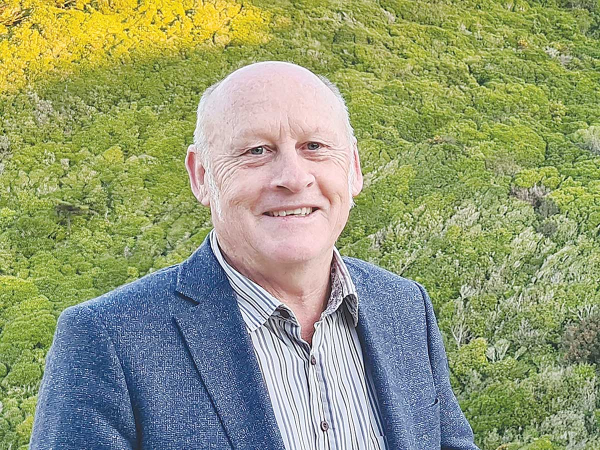 Rural Health Network chief executive Dr Grant Davidson says the annual conference is the most important conference for rural health professionals.
OPINION: This year's National Rural Health Conference, being held in Wellington, has attracted a record number of interested rural health experts passionate about improving equity for rural communities in all ares of health and wellbeing.
Hauora Taiwhenua Rural Health Network chief executive Dr Grant Davidson says the annual conference is the most important conference for rural health professionals.
"It provides an opportunity to connect with peers, share learnings and insights, have deep and broad conversations and be involved in long-term strategy discussions that will drive change within our health system."
Happening over three days the programme includes the Minister of Health's opening address. There will be more than 70 presentations ranging from dynamic lightning talks to immersive workshops. Each year the political panel is a conference highlight.
Former Health Minister Andrew Little will open dialogue on the pressing issue of future funding and business models for robust rural health services. In 2022, Little enraged the sector by stating "Part of the problem with rural health services is that there are old-fashioned business models that don't work anymore."
The conference will offer practical insights and applicable solutions that attendees can take back to their communities. Day One of the conference is dedicated to professional development opportunities such as PRIME, the Division of Rural Hospital Medicine Registrars' Day and Rural Health and Research workshops.
Days two and three are packed with opportunities to hear about all aspects of medicine from maternity and midwifery. As well as the understanding of rural specific illnesses, preparing and thriving in a climate of constant change, building resilient rural communities, and looking to the future. This will include what the role of technology will play in creating healthy and thriving rural communities.
Conference MC and keynote speaker, Jehan Casinader, brings his personal and professional touch to the event. An award-winning journalist, speaker and mental health advocate, he was named "Broadcast Reporter of the Year" at the Voyager Media Awards in 2020 and "Reporter of the Year" at the New Zealand Television Awards in 2018.
Alongside his journalism work, he will speak about the transformative power of storytelling - in the areas of well-being, leadership, and diversity. He's passionate about health and well-being in rural communities.
Along with Jehan and other keynote speakers, conference attendees will be able to connect with a raft of medical services providers showcasing services and products in the Exhibition Hall.
"There is always a great buzz at our rural conference. It is a rare occurrence that rural health professionals and rural community representatives can get together, so they really make the most of it," says Davidson.
Sign Up!
Registration for the annual National Rural Health Conference, being held at Tākina: Wellington Convention and Exhibition Centre on April 5-6 is now available. Get in before February 29 for the early bird price.
https://www.nationalruralhealthconference.org.nz/register
While healthcare itself got a $5.5 billion investment in Budget 2025, rural doctors are sounding the alarm about growing health inequities in rural New Zealand.

According to Hauora Taiwhenua Rural Health Network’s Rural Health New Zealand Snapshot 2024, those in rural areas have poorer health outcomes than those in urban areas.
The legacy of Dr Peter Snow continues to inspire as the recipients of the 2023 and 2024 Peter Snow Memorial Awards were announced at the recent National Rural Health Conference.
As the National Rural Health Conference 2024 approaches, Fiona Bolden, chair of Hauora Taiwhenua, and Grant Davidson, chief executive of Hauora Taiwhenua, talk about the conference's significance in addressing rural healthcare challenges.
One month out from the National Rural Health Conference 2024, we caught up with keynote speaker Dr Cath Cosgrave. She is an internationally awarded 'rural change-maker', strategic advisor, trainer, coach, presenter, and evaluator based in Australia. With this broad set of skills, we asked her how she would sum up her work.



Now in its fourth year, the 2026 Fencing Industry Awards, formed part of the proceedings of the FCANZ Conference, held in Nelson during August.
DairyNZ deputy chair Cameron Henderson has been re-appointed unopposed for another term.
OPINION: The stats speak for themselves.
Farms across the upper North Island are trialling different pasture mixes as part of a research programme that aims to build greater resilience into farming systems.
Election years are always a concerning time for farmers, according to DairyNZ chair Tracy Brown.
The Ballance Farm Environment Awards are coming to the West Coast of the South Island.