James Blair Named 2026 Young Grower National Champion
James Blair, an agronomist for AS Wilcox and the Pukekohe regional champion, has won the 2026 Young Grower national title.
 increase font size
 The proposed zone of benefit of the Waimea Community Dam as published in a 2017 Tasman District Council consultation document. SUPPLIED
Horticulture NZ is welcoming the Tasman District Council’s U-turn on the Waimea Community Dam project.
The $102 million project envisages damming the Waimea River in the Lee Valley, in the ranges east of the Waimea Plains. It aims to use the stored water for agricultural irrigation on the plains, and to protect urban water supplies and river flows in dry periods.
The project is on again after the Tasman District Council voted to reverse an earlier ‘no’ decision on the basis of a revised funding model which mayor Richard Kempthorne said would lower the expected costs for ratepayers.
Richard Palmer, the acting chief executive of Horticulture NZ, says the Tasman district is a prime horticulture area -- the second-largest grower of apples and a big producer of kiwifruit, berries and vegetables.
“The key thing is that... for farming businesses to contribute to the economy and keep hiring people, they need certainty [about] water.”
Palmer acknowledges a personal interest in the scheme: his father John Palmer is the strategic advisor to the project. And he is a director of a packing business in the district, although the family’s orchard is outside the irrigation area.
Palmer says some people seemed to think farmers’ existing water rights should be curtailed to provide for increased river flows and urban water take. He says the dam will address all three fundamental issues: raising minimum flows in line with the national water policy statement, irrigation, and urban water use.
Palmer says it costs several hundred thousand dollars to set up a kiwifruit orchard. He believes people would not make that investment if they thought the vines would die in the second year due to a lack of water.
Horticulture is a key economic driver of the region. “Horticulture is an expensive investment. It delivers very high economic returns on a per hectare basis but that’s only possible with the necessary infrastructure, including certainty of access to water,” Palmer says.
He says people who argued that only “rich farmers would benefit” were forgetting that a minimum flow issue in the Waimea River still had to be addressed.
“If you want to address that, you must have some sort of recharge.”
Palmer says it is not just irrigators who will benefit from the dam.
“A whole lot of industries needing water would lose it in dry periods. It’s not just irrigators, yet it’s irrigators – together with their funders – who are stumping up [most] of the money.”
The dam project was revived when three councillors who had voted against it nine days earlier changed their votes after hearing the revised proposal behind closed doors.
The project also benefits from loan funding from Crown Irrigation Investments Ltd (CIIL).
When the Government said in April that it would end CIIL funding for large irrigation projects, several proposed schemes were put at risk; but Waimea was identified as one of three -- along with stage two of Central Plains and the Kurow Duntroon scheme -- for which existing funding commitments would be met.
James Blair, an agronomist for AS Wilcox and the Pukekohe regional champion, has won the 2026 Young Grower national title.
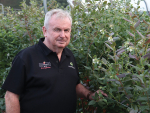
Blueberries have the potential to become a major horticultural export, earning up to $150 million within the next three to five years.
New Zealand needs to make sure that it continues to focus on its own food security, according to HortNZ board member and blueberry grower Dermott Malley.
According to a progress report on the Aotearoa Horticulture Action Plan (AHAP), New Zealand's horticulture sector is making real progress on the big issues facing growers.
Horticulture New Zealand’s Board has welcomed the re-election of grower-elected directors Alistair Petrie and Doug Brown.



Entries opened on Monday, 5 October 2026 for the 2027 New Zealand Dairy Industry Awards (NZDIA), which organisers describe as the nation's biggest celebration of excellence in the dairy sector.
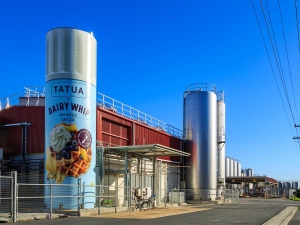
Waikato milk processor Tatua has again declared a record milk payout to farmer shareholders, leaving other processors in the dust.
A Labour-led Government won’t be bringing back the controversial freshwater rules of 2020.
National’s much-touted free trade deal with India featured in the Rural Issues Debate at Mystery Creek, Hamilton on Wednesday night.
New Zealand's 2026-27 freshwater fishing season has opened, with anglers encouraged to head to rivers and lakes over the coming days as conditions look favourable across much of the country.
Central Otago District Council (CODC) has voted against a plan to spread treated sewage sludge from Cromwell and Alexandra on farmland near Lauder, a decision Federated Farmers says reflects strong opposition from rural residents.