Egmont Honey Buys Tweeddale's, Now NZ's Biggest Apiary
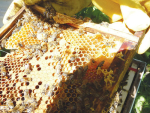
New Plymouth-based Manuka honey exporter Egmont Honey has completed its acquisition of Taihape beekeeping business Tweeddale's Honey, with settlement finalised on Friday, 18 September.
 increase font size
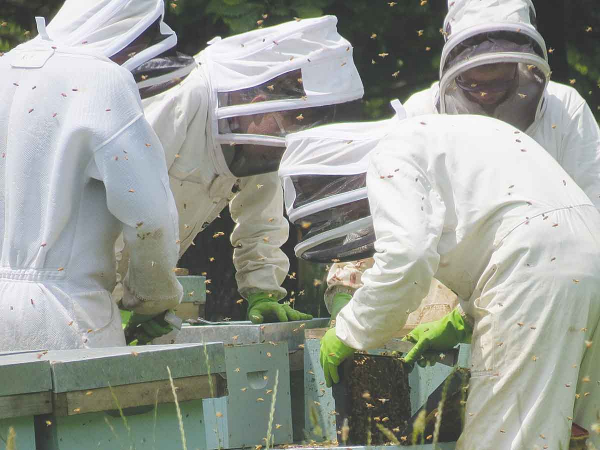 Kiwi mānuka honey sales to the EU have risen dramatically in recent years reaching $60 million last year.
The impact of a new European Union free trade agreement removing a 17.3% tariff on NZ-sourced honey in July is translating into increasing sales volumes, according to one exporter.
Aided by strong harvest volumes, mānuka honey exporters have recorded a surge in European demand as the removal of tariffs aligns with a sliding NZ dollar, reducing the cost of Kiwi imports by around 8% against the Euro compared to the same time last year.
Driven by growing interest from German consumers for Kiwi mānuka honey, sales to the EU have risen dramatically in recent years reaching $60 million last year, or 12% of the $500m export market.
Industry experts say the 2023 season is expected to be strong, with high moisture levels at the base of the mānuka trees and La Nina weather patterns set to contribute to elevated nectar flows over the coming months.
Additionally, a 40% drop in hive numbers around the country is providing more choice of placement locations for Kiwi apiarists and a higher quality export product.
“Too many beehives placed in these areas targeting mānuka overstocked the area because there’s only so much nectar, [with] yields per hive decreasing by a considerable amount,” says Naki Honey executive Brett Mascull.
“Because of the lesser amount of beehives, you can expect really strong yields per beehive for mānuka honey.”
Naki Honey global market manager Derek Burchell-Burger says the response from the EU importers following the removal of import tariffs was immediate, contributing to an annual sales growth of over 15%.
“Despite consumer confidence being impacted by the war in Ukraine the pandemic has helped boost consumer interest in the wellness features of the product, with premium mānuka honey retailing for up to $800 per kg in Europe and landing in Europe for 27% less cost than a year ago.”
He says there is growing international recognition of the benefits of mānuka honey and harvest volumes are up substantially.
This has allowed us to increase our inventory to over 300 tonnes.”
Burchell-Burger adds that the falling dollar is helping to secure new wholesale accounts throughout the EU, offsetting the impact of war and inflation on spending in that market and resulting in exports growing.
Naki Honey’s distribution model in European markets operates differently to those in Asia where they tend to use established distribution partners with local networks.
In EU countries like Germany and Sweden the product is more likely to be sold through pharmacies, supermarkets and naturopathic practitioners necessitating the development of relationships at retail level.
“Even prior to the pandemic, European consumers had a high awareness of the medicinal aspects of mānuka honey,” says Burchell- Burger.
While Germany is the largest EU importer of honey from non-EU countries and second largest honey importer worldwide, France is second in the EU (fifth worldwide) with almost $1bn of the product consumed annually.
Naki Honey is currently looking to France as the next untapped market for mānuka honey. Sales to other European countries including Germany, The Czech Republic, and The Netherlands have also expanded recently.
New Plymouth-based Manuka honey exporter Egmont Honey has completed its acquisition of Taihape beekeeping business Tweeddale's Honey, with settlement finalised on Friday, 18 September.

Politicians calling for New Zealand to withdraw from the Paris Agreement on climate risk damaging two of our gold-plated free trade deals.
The European Union ramped up its presence at this year's Fieldays.
The stark realities of the world trade that New Zealand is having to face have been revealed by Trade Minister Todd McClay.
New Zealand and the European Union are closer than ever.


Waikato milk processor Tatua has again declared a record milk payout to farmer shareholders, leaving other processors in the dust.

A Labour-led Government won’t be bringing back the controversial freshwater rules of 2020.
National’s much-touted free trade deal with India featured in the Rural Issues Debate at Mystery Creek, Hamilton on Wednesday night.
New Zealand's 2026-27 freshwater fishing season has opened, with anglers encouraged to head to rivers and lakes over the coming days as conditions look favourable across much of the country.
Central Otago District Council (CODC) has voted against a plan to spread treated sewage sludge from Cromwell and Alexandra on farmland near Lauder, a decision Federated Farmers says reflects strong opposition from rural residents.
Pāmu has released its FY26 Integrated Annual Report, reporting a Net Operating Profit of $113 million, more than double the $49 million recorded in FY25.