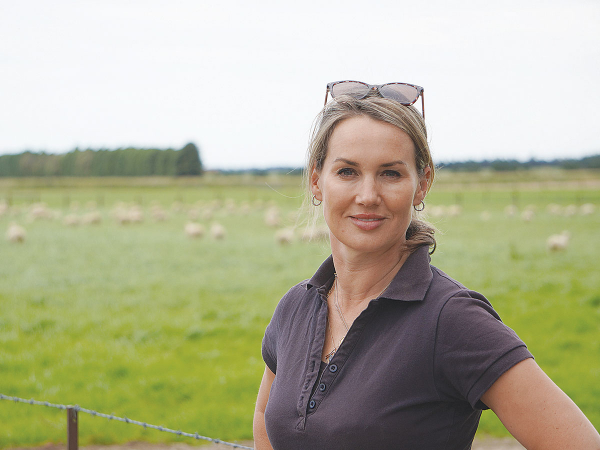
National's animal welfare spokesperson Nicola Grigg claims the Government completely ignored compelling evidence from cattle breeders, vets and export industry experts in its push to ban live animal shipments.
Grigg's claim follows Parliament's recently completed Primary Production Select Committee inquiry into the Animal Welfare Amendment Bill, which will ban the export of live animals by sea from April next year.
"It was a foregone conclusion," Grigg told Rural News.
"The MPI [Ministry for Primary Industries] report states 'given the Government has made its clear commitment to the ban being in place by 30 April 2023, the recommendations in this report are intended to give effect to this decision... the Bill should progress as it was presented to the House at the First Reading'."
Grigg says this made an absolute mockery of the select committee process and the inquiry and accuses both MPI and Agriculture Minister Damien O'Connor of deliberately ignoring submitters opposing the ban.
"To me that stinks," she adds. "Clearly it was a predetermined outcome and there was no intention to listen to any evidence, any science, any experience from international jurisdictions - making it a total waste of time to all those people who put hours and hours into submissions."
Grigg says many of those submitters that were ignored included livestock agents, importers/exporters and vets. However, she concedes that there was also evidence from those who had been on live shipments and who had witnessed horrific events.
"Don't get me wrong, we certainly heard evidence of substandard practice and no fair-minded New Zealander will accept or tolerate that and nor will [National]."
Grigg says that is why National was keen for the Government to open its mind to a legislated standard - what she describes as a "gold standard" - for live exports rather than an outright ban.
"This would set standards like built-for-purpose ships with feed, water and air conditioning systems," she says. "As well as maximum stocking densities, vet and stock handler training, better reporting, exporter licensing and an importer quality assurance programme."
She says a licensing regime like this would ensure New Zealand exporters adopt the highest animal welfare standards in the world.
"Wouldn't it be great if NZ was world leading in this space and set the standards that the rest of the world had to follow?"
Grigg, who is also National's spokesperson for Rural Communities, believes the projected economic loss caused by the live export ban has been grossly underestimated.
"National asked for more robust financial implications of the ban, but this was never provided."
She says rural communities across New Zealand will be adversely affected in both job and revenue loss from the ban.