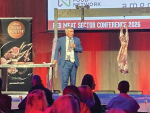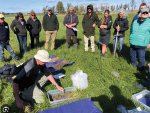
Catch the Rain: B+LNZ Trials Boost Soil Infiltration
Beef + Lamb NZ funded research has shown that some simple changes to pasture management could help farmers make better use of rainfall and build resilience before dry conditions hit.
 increase font size
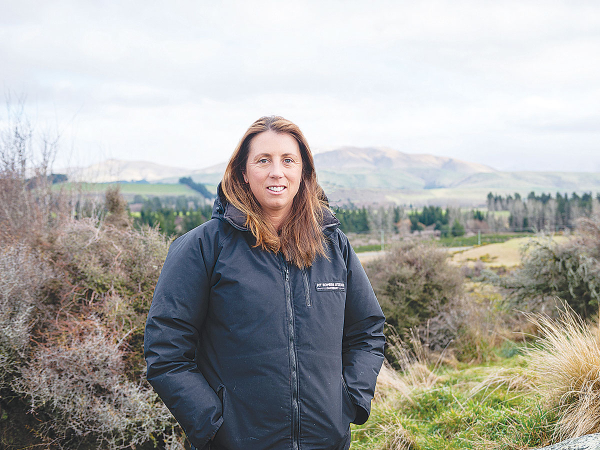 Beef + Lamb NZ chair Kate Acland.
A European Union regulation ensuring that the products its citizens consume do not contribute to deforestation or forest degradation worldwide threatens $200m of New Zealand beef and leather exports.
The European Union Deforestation Regulation (EUDR) comes into effect on December 30 this year.
Beef + Lamb NZ chair Kate Acland, who recently visited Europe as part of a trip to meet key international counterparts, says the EUDR threatens $200 million of New Zealand beef and leather exports, despite deforestation not being an issue in New Zealand.
“Instead, we have the opposite problem of afforestation - pine trees being planted for carbon credits - on our sheep and beef farms,” she says.
B+LNZ has long argued the EUDR is onerous, complex and a non-tariff barrier to trade.
Acland says their previous advocacy efforts helped strongly influenced the EU decision to delay its implementation. The EU granted a 12-month additional phasing-in period last year.
“The EU is still looking to implement the EUDR but from my discussions it’s clear that producers within EU countries are starting to realise this law will also apply to their products and create additional cost and administrative burden. Even countries considered low risk will have to show compliance,” Acland says.
“This shared concern could provide an opportunity to work together to influence changes.
“We continue to argue that New Zealand should be considered no risk and will keep pushing, right up to the day the EUDR is implemented, if necessary.”
Beef + Lamb NZ funded research has shown that some simple changes to pasture management could help farmers make better use of rainfall and build resilience before dry conditions hit.

Ravensdown shareholders have elected Jane Montgomery and Kate Acland to the Ravensdown Board for three-year terms, following a closely contested director election.
Beef + Lamb New Zealand (B+LNZ) says it welcomes the passage of the Natural Environment Bill and Planning Bill, calling the bills a positive step for sheep and beef farmers.
If you're thinking about investing in ways to push feed forward, this is the year to do it.
Farmgate lamb prices are down by 8%, beef cattle by 4.5% and farm expenditure up by 4.2%.

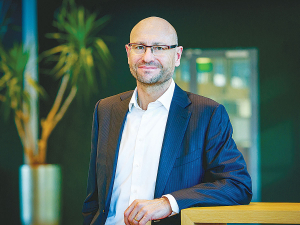
Farmer-owned fertiliser company, Ballance Agri Nutrients is welcoming National’s plan to negotiate security agreements with key supplier countries to protect New Zealand-bound products from export restrictions and greater supply chain certainty.
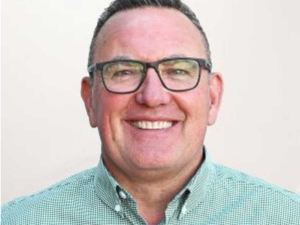
Carrfields has announced the appointment of Stu Hall to the newly created role of chief operating officer, Carrfields Ltd, reflecting the continued growth of their agribusinesses and the need to ensure the company has the leadership capacity and support in place as it pursues the emerging opportunities ahead.
New Zealand's role is not to compete with Indian growers, according to NZ Apples and Pears.
The potato industry is celebrating the success of two rising stars - James Blair, the 2026 Young Grower of the Year and runner-up and innovation award winner, Amber Davy.
Twenty-eight emerging leaders from across the horticulture sector spent two days last month learning valuable skills and connecting with industry experts.
There are five entrants in this year’s Young Horticulturist of the Year, competing in a series of technical, practical, business and leadership challenges.