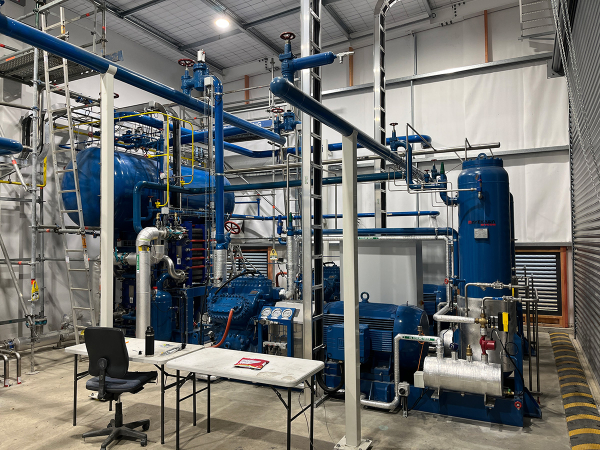
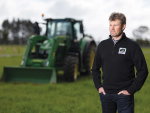
Alliance Group has commissioned a new heat pump system at its Mataura processing plant in Southland.
The three heat pumps are projected to deliver an annual carbon emissions reduction of more than 6,400 tonnes, the equivalent of taking 3,250 cars off the road every year.
The system includes a first for New Zealand innovation, enabling the plant to use heat extracted from the Mataura River to further improve efficiency.
The meat processor says this marks a significant step in the site's transition away from coal-fired energy.
Brett Eades, Alliance Group energy manager, says the initiative is part of the company's broader commitment to sustainability and decarbonisation and has been a long time in the making, with the initial concept dating back to 2018.
“This heat pump system alone will eliminate around 60% of the site’s carbon emissions," Eades says.
“Alongside the new heat pumps, we are making significant upgrades to improve heat plant efficiency, including reconfiguration of the plant’s hot water system.
“Previously, the site’s refrigeration and heat systems operated independently. We've now integrated them, a complex engineering challenge that enables us to recover waste heat from the refrigeration system as well as pulling heat from the river.”
The Mataura upgrade follows the successful installation of similar high-temperature heat pumps at Alliance’s Nelson, Lorneville and Pukeuri (Oamaru) plants.
“While we used the same heat pump technology at Mataura as we did at Pukeuri, the system integration was very different,” says Eades.
“Thanks to learnings from previous installations, this commissioning went very smoothly with minimal teething issues.”
A second phase of the project is now underway, involving the design of a smaller, energy-efficient boiler system powered by electricity or biomass.
Once this is completed and the plant’s existing coal-fired boiler is decommissioned, the combined system is expected to cut emissions by a total of 14,460 tonnes per year.
The $6.2 million Mataura project included $750,000 in co-funding from the Government Investment in Decarbonising Industry (GIDI) Fund.