Westpac Urges Farmers to Prepare Now for El Niño Drought
Westpac NZ is calling on farmers and growers to start preparing now for the possibility of a dry summer, as likely El Niño conditions raise the risk of drought across parts of the country.
 increase font size
 There may be light at the end of the tunnel for the country’s venison producers.
Improved market conditions for venison are expected for the 2021 season, according to industry body Deer Industry NZ (DINZ).
“In the next few weeks, some venison companies will be offering minimum price supply contracts for the game season, for shipment of chilled venison during September and October,” says DINZ chair Ian Walker.
He says that in 2020, amidst Covid-19 lockdowns in Europe, contracts were offered at between $7 and $7.20 per kilogram.
“This year, we are seeing restaurants starting to reopen in North America. Also, prices for all meat in major world markets have begun what economists expect will be a steady, long-run climb,” Walker says.
However, the most recent Westpac Meat Matters report, released 19 February, suggests a slightly less optimistic outlook.
It states that venison prices have remained weak in 2021 so far.
According to the report, prices have so far slid 2.9%.
“However, we see light at the end of the tunnel for venison producers,” it reads.
The report predicts that in the German market, vaccine rollout will boost demand and prices over the course of 2021.
It also notes that pickup will be gradual and price pickup won’t happen until midway through the year.
Meanwhile, Walker says there are two markets where growth is occurring: China and the United States.
“Prospects in North America and demand from China – a developing market for venison – keeps growing.”
He says that DINZ will be working with five major venison marketing companies to build year-round demand for venison, particularly at retail and online for home delivery.
“We fully recognise that deer farmers need a schedule premium over lamb to make venison production a competitive land use. The industry was achieving that until the impact of Covid,” Walker adds.
“Venison prices will improve. And hopefully none of us will have to deal with another pandemic in our lifetimes.”
He says that because deer farmers can bank on getting better prices during the chilled season, they should target getting venison animals away before the end of October, if that fits with their farm system.
Westpac NZ is calling on farmers and growers to start preparing now for the possibility of a dry summer, as likely El Niño conditions raise the risk of drought across parts of the country.
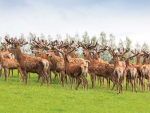
A spat within the ranks of the New Zealand Deer Farmers Association has resulted in the suspension of outspoken North Canterbury farmer Barry Cuttance.
Canterbury farmer Andy Macfarlane has been appointed to the board of AgriZeroNZ, the public-private partnership designed to accelerate the development and deployment of emissions reduction tools for New Zealand farmers.
It's our time to shine, says Deer Industry NZ chief executive Rhys Griffiths.
A new Westpac NZ community banking van begins making visits around Northland this week.


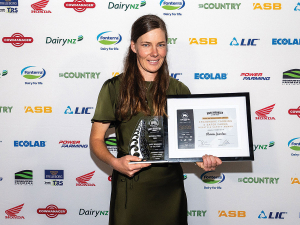
When dairy manager Miriam Lauridsen learned the farm, she was joining held weekly health and safety meetings, she initially thought that was “a bit over the top”. Experiencing that culture changed her mind.

Nominations are open for the 2027 Fonterra Dairy Woman of the Year Award.
Keeping up with pasture moisture demands is likely to be the key challenge for dairy farmers during this season’s El Niño weather pattern, says Blue Skies Weather & Climate Services meteorologist Tony Trewinnard.
Farmers have until the end of this week to help shape DairyNZ’s future focus.
Wayne McNee, chief executive of AgriZeroNZ, has resigned and will leave the organisation on 15 January 2027.
The New Zealand dairy sector set a record in the 2025/26 season, producing more than two billion kilograms of milksolids for the first time.