BVD losses mounting
Bovine Viral diarrhoea (BVD) is one of the most infectious diseases in cattle, causing major economic losses worldwide.
 increase font size
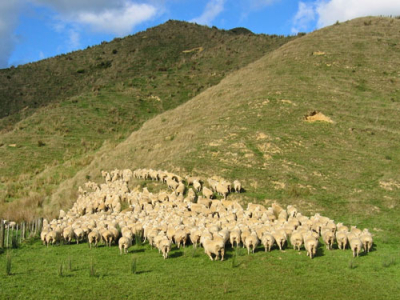 Australian studies indicated that the survival of PI sheep is poor.
Traditionally, bovine viral diarrhoea (BVD) has been considered a disease of cattle. But lately it has been found to cause infections in sheep, deer, alpacas, llamas and pigs.
Sheep in Australia have been found susceptible to infections with BVD, and transient infections in pregnant ewes have been found to cause severe lambing losses: lambing rates as low as 32% were seen in infected flocks. Lambs were born weak with physical abnormalities or were persistently infected (PI) with BVD. Their survival, whether infected transiently or persistently, was poor.
A study of antibodies to BVD in South Australia sheep flocks indicated that in the flocks tested BVD was not common. How well this translates to New Zealand is unknown.
NZ must be cautious about the role sheep play in the spread and persistence of BVD, especially in regions where sheep and cattle are co-grazed or housed close together.
NZ in 2017 farmed 27.37 million sheep and 10.08m cattle (dairy and beef). And because beef and sheep farming was the most extensive agricultural activity in 2016 the risk is high that BVD will persist in cattle herds -- and in sheep flocks.
Although the Australian studies indicated that the survival of PI sheep is poor, NZ sheep flocks could nevertheless pose a risk of BVD spread and persistence here.
The presence of any PI animal onfarm, no matter for how short a time, poses a risk to the health and productivity of all other animals on that property.
So where lambing rates are abnormally low, or many lambs are born with developmental abnormalities, then BVD should be considered a possible cause.
BVD challenge
BVD is an infectious cattle disease that costs NZ’s 25,000 beef farmers and 12,000 dairy farmers at least $150m per year in direct production losses -- about $4000 per farm.
Several European countries have eradicated the disease, bringing big benefits to their cattle industries.
From February 1, the BVD Free New Zealand project has begun challenging farmers and veterinarians to quantify the benefit BVD control could have on their herds.
The ‘BVD Free Challenge 2019’ includes helping farmers to build in and budget for BVD management for their herd, and so to contribute to a business case for eradicating BVD from NZ.
More: www.bvdfree.org.nz
Bovine Viral diarrhoea (BVD) is one of the most infectious diseases in cattle, causing major economic losses worldwide.

The Waikato region is currently experiencing a concerning surge in Bovine Viral Diarrhea (BVD) cases within dairy herds, with the highly contagious disease potentially causing significant economic losses for farmers, according to vet and CRV national sales and marketing manager Julia Baynes.
Bovine viral Diarrhoea (BVD) is a common but devastating viral infection of cattle in New Zealand.
Bovine Viral Diarrhoea (BVD) is a common but devastating viral infection of cattle in New Zealand.
BVD (Bovine Viral Diarrhoea) is a viral disease of catte.


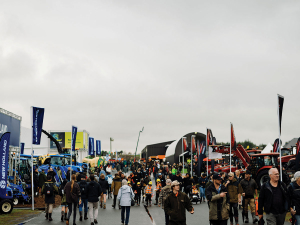
More than 1200 exhibitors will showcase their products and services at next month’s National Fieldays, with sites nearly sold out.

Despite difficult trading conditions for European machinery manufacturers brought about conflicts in Ukraine and Iran, alongside the United States imposing punitive tariffs, Italian manufacturer Maschio Gaspardo, has seen turnover increase 12% in 2025 to €390 million (NZ$775m) with a net profit of €11.2 million (NZ$22.3).
New Zealand innovation company Techion, best known for its animal diagnostics platform, FECPAK has signed an exclusive strategic partnership with Farmlands to bring independent animal health disease intelligence to its customers.
Zespri says it welcomes the recently signed Western Bay of Plenty Regional Deal, describing it as an important step towards supporting growth in the region and for New Zealand's kiwifruit industry.
Troubled milk processor Synlait has lost its third chief executive in five years.
Westgold butter has been named New Zealand's tastiest in a blind tasting conducted by Consumer New Zealand.