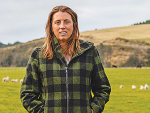
Cheyne Gillooly appointed CEO of NZ Young Farmers
This morning, NZ Young Farmers (NZYF) has announced that Cheyne Gillooly will take over as its chief executive in June.
 increase font size
 NZ Young Farmers CEO, Cheyne Gillooly.
New Zealand Young Farmers (NZYF) has launched a new initiative designed to make it easier for employers to support their young team members by covering their NZYF membership.
The new Employer Supporter offering allows businesses to invest directly in their staff's personal and professional growth by covering the annual $100 NZYF membership fee (reduced to $80 per person for 10 or more employees).
Cheyne Gillooly, chief executive of NZYF, says that supporting the future of the sector starts with supporting the young people who make it possible.
"By offering to cover their membership, employers are showing genuine care for their team's wellbeing and development," Gillooly says.
"It's a simple but powerful way to help them feel valued, connected, and inspired to stay and grow within your business and the wider rural community," he adds.
Through NZYF’s 60-plus clubs across the country, members gain access to a national peer network, leadership and skills development opportunities, and wellbeing support.
Clubs host regular events, workshops, and competitions such as the iconic FMG Young Farmer of the Year, helping members build confidence, resilience, and pride in New Zealand’s food and fibre sector.
“Employers who invest in their staff’s NZ Young Farmers membership are also investing in a more motivated and engaged workforce,” says Gillooly.
“It’s about creating workplaces that people want to be part of, where they feel supported not just in their jobs but in their broader personal and professional growth.”
This morning, NZ Young Farmers (NZYF) has announced that Cheyne Gillooly will take over as its chief executive in June.

Danielle Hovmand has been announced as the 2024 recipient of the New Zealand Young Farmers (NZYF) Contiki Local Legend Award.
Steph Le Brocq and Sam Allen, a bride and groom-to-be, are among those set to face off in regional finals across New Zealand in the hopes of being named the Young Farmer of the Year.
Chloe Jones wears three hats and it's this trifecta that makes her tick.
New Zealand’s best young farmers are pledging to ‘leave it all on the table’ as they prepare to battle it out at one of New Zealand’s most prestigious farming contests.

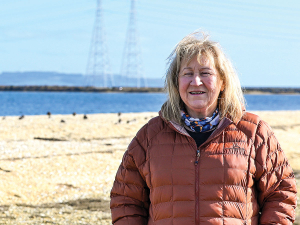
For 15 years, Glenda Rees has travelled from Gore to Awarua, often several times a week, to keep watch over one of the country’s rarest birds.
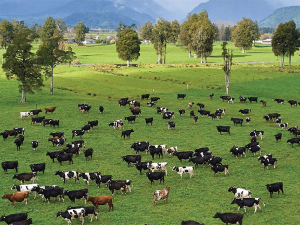
With some farmers opposing a government-industry partnership set up to develop methane reducing products, one NZ company claims that it already has a product on the market.
During the nesting season, from September to December, industrious starlings can quickly build nests in the darker areas behind tractor and vehicle, usually close to hot engines, typically resulting in localised damage or in some cases complete write-offs.
The meat processing industry is much more collegial than it was in the past and is now more focused on common goals.
With the last couple of months having seen some potential tractor purchases put on hold with the impending election and continued input cost rises, year-to-date figures, ending September, has seen deliveries up around 5% over the same period in 2025, with a total of 2026 units.
Beef+Lamb New Zealand is calling for nominations for director roles in the Northern South Island and Northern North Island electoral districts.