
'Wonky Flowers' to cut waste, support growers
To assist the flower industry in reducing waste and drive up demand, Wonky Box has partnered with Burwood to create Wonky Flowers.



 increase font size
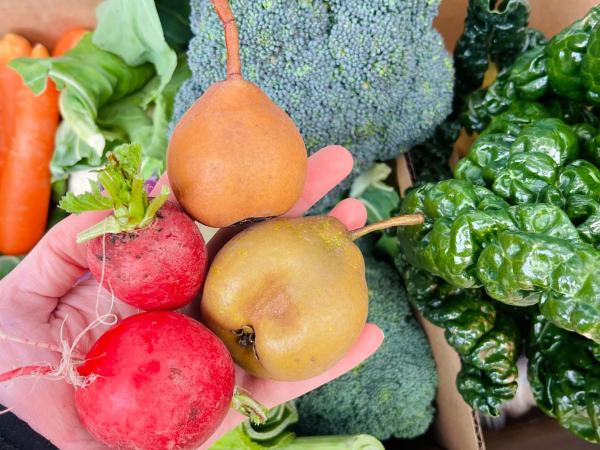 Beyond blaming supermarkets, there are simple choices we can make as shoppers that can take some of the sting out of rising costs.
OPINION:It’s a tough time for Kiwi households.
Stats NZ figures show food prices are up around 7% year-on-year, with fresh fruit and vegetables some of the hardest hit. Tomatoes, cucumbers, and lettuce have spiked in recent months, while staples like potatoes and onions have also seen sharp increases. All of this is landing on top of wider day-to-day costs that continue to climb.
There’s also ongoing discussion about bringing more competition to the supermarket sector – something we at Wonky Box would welcome – but meaningful change won’t happen overnight. In the meantime, families are still facing hard choices every time they shop and hit the checkout.
Beyond blaming supermarkets, there are simple choices we can make as shoppers that can take some of the sting out of rising costs. The truth is, some of the power to ease costs isn’t locked in boardrooms – it’s in our own shopping baskets. Those choices don’t always make headlines, but they can make a difference to household budgets.
A generation ago, we ate with the seasons. We knew strawberries belonged to summer, mandarins were a winter treat, and asparagus was a short-lived spring special.
Today, we expect strawberries in June and avocados in May, and when the price hits home, we point to supermarkets as the culprit. While some of those concerns are valid, part of the challenge lies in our own shopping habits.
Seasonal produce is not only fresher and better tasting, it’s also more abundant, which makes it more affordable. By contrast, out-of-season items are scarce, imported, or grown under costly conditions and we all pay for that at the checkout.
Shopping with the seasons takes the guesswork out of what’s affordable. When produce is abundant, it’s fresher, better tasting and cheaper - a win for both households and growers. Models like Wonky Box are one example of how this can be made easier, by curating boxes around what’s plentiful right now and reducing food waste in the process.
Flexibility is another part of the puzzle. When markets are flooded with surplus crops and prices fall, those products should be flowing more readily to consumers.
When supply tightens, adjustments need to be made to keep prices fair for shoppers and sustainable for growers. That balance is vital - it gives growers security, households predictability in their weekly spend, and helps the food system stay resilient.
With spring now here, supply will start to balance out. Indoor crops like cucumbers are improving, and the seasonal headline act – asparagus – is starting to arrive now.
Thanks to its geographic spread across Hawke’s Bay, Waikato, Manawatū, Levin and Canterbury, asparagus offers a resilient supply chain that helps protect consumers from localised frosts.
Of course, early volumes will come with a premium, but as supply builds, prices will ease - and it’s also when bent-stem bunches and other imperfect produce start appearing in boxes. A reminder that food doesn’t have to look perfect to taste great, or to deliver value.
If we want a more affordable and sustainable grocery market, the answer isn’t just waiting for another big-box player to arrive. It’s rethinking how we shop – embracing seasonality, being flexible, and recognising that smarter choices can deliver better outcomes.
Angus Simms is the co-founder of Wonky Box
To assist the flower industry in reducing waste and drive up demand, Wonky Box has partnered with Burwood to create Wonky Flowers.
For Wonky Box co-founder Angus Simms, the decision to open the service to those in rural areas is a personal one.
Asparagus season is here, with the seasonal favourite set to land in kitchens across New Zealand this month.
Farmer-led charity Meat the Need has expanded its offerings, following a new partnership.
New research suggests that the cost of groceries, which has skyrocketed over the past six years, is making it virtually impossible for families on benefits to feed their children healthily.



Federated Farmers has welcomed new rural policies released by ACT, saying they align closely with its own election priorities.

Rural Contractors NZ says proposed changes to land transport rules for agricultural vehicles are a welcome response by the Government to out of date regulations which have seen members hit with huge fines.
Alliance is calling for final applications for its 2027 Graduate Programme, with applications closing on Sunday 25 October.
Decades piloting planes has ensured vet and farmer David Hayes is focused on safety. So, after a serious accident while welding on farm, he is sharing his experience so others can learn from it.
Canterbury milk processor, Synlait Milk has confirmed Leon Fung as its chief executive officer.
OPINION: Making it easier to collect rainwater and use it to grow crops and livestock is a no brainer.



OPINION: The same mainstream media muppets that brought you Jacindamania in 2017 have been flat out pimping for the Opportunities…
OPINION: Your old mate reckons the atrocious way farmers in the UK are treated by their lords and masters in…




