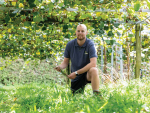
Hort NZ chair Barry O'Neil has been growing kiwifruit since 1984 and says this is one of the worst year he's had.
Just on 70% of O'Neil's own crop has been wiped out by the frost, which means that he'll effectively lose 75% of his income for next season. He's not the worst affected - other orchardists have lost their entire crop.
Like O'Neil, those affected face the prospect of having to still maintain and keeping their orchard going knowing full well that they will have to rely on the 'generosity' of their bankers to get them through this crisis.
"I very much feel for everyone that is struggling financially because of the frost and also as an industry we have had a big issue with fruit storage and losses," he told Hort News. "This has happened at the same time as our costs are increasing and we haven't got the revenue from the fruit numbers."
O'Neil says the estimated loss from the frost could be in the order of a billion dollars to the industry.
O'Neil says he's always been aware of the cyclical nature of the weather and what impact it might have from time to time. In his case, he always budgeted on having no income every five years but reiterates that this season has been exceptionally bad.
"The ground is so wet in some cases and in many areas they have had three times the annual rainfall before the end of the year," he says.
"The soil is so saturated that it only takes a small rainfall to get water pooling again in paddocks. Normally the soil will absorb the rain but it's so saturated it can't."